

Students planning to join the University of Layyah need clear information about the fee structure for the 2025-2026 academic year. This guide is designed for prospective students, current enrollees, and their families who want to understand the complete cost breakdown before making enrollment decisions.
The university offers various academic programs with different pricing tiers, and understanding these costs upfront helps families budget effectively. We’ll break down the tuition fees for each program, from undergraduate degrees to postgraduate courses, so you know exactly what to expect.
This comprehensive overview covers the complete tuition fee breakdown for all academic programs and details about additional costs like lab fees, library charges, and exam fees. We’ll also explore hostel and accommodation options with their respective charges, plus payment plans and financial aid opportunities that can make education more affordable for deserving students.
Complete Tuition Fee Breakdown for All Academic Programs

Undergraduate Degree Programs and Their Costs
The University of Layyah offers competitive tuition rates across its undergraduate programs for the 2025-2026 academic year. Business Administration (BBA) students can expect to pay PKR 45,000 per semester, making it one of the most affordable business programs in the region. Computer Science (BSCS) carries a slightly higher fee of PKR 52,000 per semester due to specialized lab requirements and software licensing costs.
Engineering disciplines command premium pricing, with Electrical Engineering and Civil Engineering programs set at PKR 58,000 per semester. These programs include extensive practical components, laboratory access, and industry-standard equipment usage. Arts and Humanities programs like English Literature, Islamic Studies, and History maintain lower fees at PKR 38,000 per semester, reflecting reduced infrastructure requirements.
| Program | Semester Fee (PKR) | Annual Fee (PKR) |
|---|---|---|
| BBA | 45,000 | 90,000 |
| BSCS | 52,000 | 104,000 |
| Engineering | 58,000 | 116,000 |
| Arts & Humanities | 38,000 | 76,000 |
Education programs, including BS Education and Elementary Education, are priced at PKR 42,000 per semester. The university maintains separate fee structures for laboratory-intensive programs, with additional charges ranging from PKR 3,000 to PKR 8,000 per semester depending on the course requirements.
Graduate and Postgraduate Program Fees
Master’s degree programs at the University of Layyah reflect the advanced nature of graduate education with adjusted pricing structures. MBA programs lead the graduate fee schedule at PKR 65,000 per semester, incorporating case study materials, business simulation software, and guest lecture series from industry professionals.
MS programs in Computer Science and Engineering are priced at PKR 62,000 per semester, while traditional Master of Arts programs in subjects like Urdu, History, and Islamic Studies cost PKR 48,000 per semester. The M.Ed program maintains competitive pricing at PKR 50,000 per semester, designed to remain accessible for working teachers seeking advancement.
Doctoral programs (PhD) operate on a different fee model, with annual fees ranging from PKR 80,000 to PKR 120,000 depending on the research discipline. Science and technology PhD programs typically fall on the higher end due to research facility access and specialized supervision requirements.
Research fees for thesis completion add an additional PKR 15,000 to PKR 25,000 to the final semester, covering thesis evaluation, external examiner fees, and administrative processing costs.
Professional and Technical Course Charges
The university’s professional development portfolio includes specialized certificates and diploma programs with distinct fee structures. Certificate programs in areas like Digital Marketing, Web Development, and Graphic Design are priced between PKR 25,000 to PKR 35,000 for complete courses lasting 6-12 months.
Technical diplomas in fields such as Electronics Technology, Automotive Engineering, and Construction Management carry fees ranging from PKR 40,000 to PKR 55,000 per year. These programs include hands-on training, workshop access, and industry placement support.
Short-term professional courses designed for working professionals typically cost between PKR 8,000 to PKR 15,000 for weekend or evening sessions spanning 2-4 months. Language courses, including English proficiency and Arabic language programs, maintain affordable rates at PKR 12,000 per level.
Vocational training programs in partnership with local industries are subsidized, with participants paying only PKR 5,000 to PKR 10,000 for comprehensive skill development courses.
Part-time and Evening Program Fee Structure
Evening and part-time programs provide flexible education options with adjusted fee structures to accommodate working professionals. Evening undergraduate programs are priced at approximately 15% higher than regular day programs, reflecting extended facility usage and specialized scheduling requirements.
Part-time BBA evening classes cost PKR 52,000 per semester, while part-time Computer Science programs are set at PKR 60,000 per semester. These programs typically extend over 5-6 years instead of the standard 4-year duration, allowing students to balance work and education commitments.
Weekend MBA programs command premium pricing at PKR 75,000 per semester due to concentrated course delivery and specialized faculty arrangements. Evening Master’s programs in Arts subjects maintain reasonable fees at PKR 55,000 per semester.
Flexible payment options are available for part-time students, including quarterly installments and extended payment plans. The university offers a 5% discount for students paying full semester fees upfront and additional discounts for corporate-sponsored enrollments.
Distance learning components integrated into evening programs may carry supplementary charges of PKR 2,000 to PKR 5,000 per course for online platform access and digital resources.
Additional Academic Costs Beyond Basic Tuition

Laboratory and Practical Work Fees
Students at the University of Layyah face various laboratory and practical work charges depending on their chosen field of study. Engineering programs typically carry the highest lab fees, ranging from PKR 15,000 to 25,000 per semester. These costs cover equipment usage, consumable materials, and specialized software licenses required for hands-on learning experiences.
Medical and allied health programs also impose significant practical fees. MBBS students pay approximately PKR 20,000 per semester for anatomy labs, dissection materials, and clinical training equipment. Pharmacy students encounter lab fees of around PKR 12,000 per semester for chemical reagents and pharmaceutical preparation materials.
Science programs including Chemistry, Physics, and Biology charge between PKR 8,000 to 15,000 per semester for laboratory access. Computer Science students pay around PKR 10,000 for software licensing and hardware maintenance fees.
The university provides detailed breakdowns of these charges at registration time, allowing students to budget accordingly. Some departments offer payment plans for expensive lab components, spreading costs across multiple installments.
Library and Resource Access Charges
The University of Layyah maintains a comprehensive library system with both physical and digital resources. Students pay a mandatory library fee of PKR 3,000 per semester, which grants access to the main library, departmental libraries, and online databases.
Digital resource subscriptions form a significant portion of these charges. The university provides access to academic journals, research databases, and e-book collections through partnerships with major publishers. These resources cost approximately PKR 2,000 per student annually.
Printing and photocopying services within library premises operate on a pay-per-use basis. Students typically spend PKR 500-1,000 per semester on document reproduction, depending on their research requirements and study habits.
Late return penalties apply to borrowed materials at PKR 10 per day for regular books and PKR 50 per day for reference materials. The library also charges replacement costs for lost or damaged items, calculated based on current market prices plus processing fees.
Examination and Assessment Fees
University examination fees vary based on the number of courses and assessment types. Regular semester examinations cost PKR 2,500 per student, covering question paper preparation, invigilation, and result processing expenses.
Supplementary examinations carry additional charges of PKR 1,500 per subject for students who need to retake failed courses. Improvement examinations, where students attempt to enhance their grades, cost PKR 1,000 per subject.
Practical examinations in technical subjects incur separate fees ranging from PKR 1,000 to 3,000, depending on the complexity and resources required. Medical students face higher practical exam costs due to specialized equipment and external examiner fees.
Transcript and degree issuance involves processing charges. Official transcripts cost PKR 2,000 for the first copy and PKR 1,000 for additional copies. Degree certificates require PKR 5,000 in processing fees, while duplicate degrees cost PKR 3,000.
Students can request expedited processing for urgent requirements, which doubles the standard fees but reduces processing time from two weeks to three business days.
Hostel and Accommodation Fee Details
On-Campus Housing Costs and Room Types
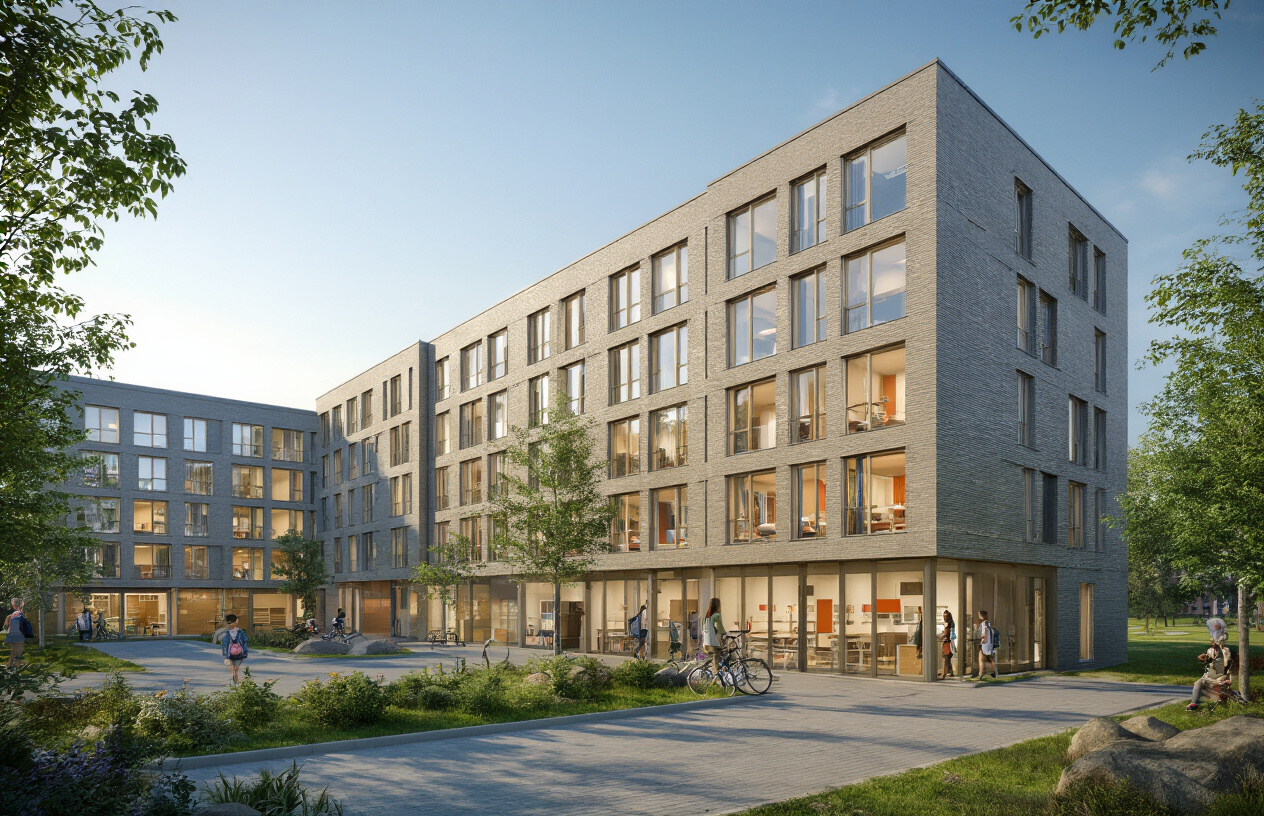
University of Layyah offers several accommodation options for students, with fees varying based on room type and occupancy. Single occupancy rooms cost PKR 15,000 per semester, providing students with privacy and personal study space. Double occupancy rooms are available at PKR 12,000 per semester per student, making them a popular choice for those looking to share costs while building friendships.
Triple occupancy rooms offer the most budget-friendly option at PKR 9,000 per semester per student. These rooms accommodate three students and include basic furniture like beds, study desks, wardrobes, and ceiling fans. All rooms come equipped with internet connectivity and 24-hour electricity backup.
The university also provides special accommodation for international students and faculty members. These premium rooms cost PKR 20,000 per semester and include additional amenities like air conditioning, attached bathrooms, and refrigerators.
| Room Type | Semester Fee (PKR) | Occupancy | Amenities |
|---|---|---|---|
| Single | 15,000 | 1 student | Private room, study desk, wardrobe |
| Double | 12,000 | 2 students | Shared room, individual study spaces |
| Triple | 9,000 | 3 students | Shared room, basic furniture |
| Premium | 20,000 | 1 student | AC, attached bathroom, refrigerator |
Mess and Dining Facility Charges
The university mess operates on a mandatory subscription basis for all hostel residents. Monthly mess charges are PKR 8,500, covering three meals daily – breakfast, lunch, and dinner. The menu rotates weekly and includes both local and continental dishes to cater to diverse student preferences.
Students can choose between vegetarian and non-vegetarian meal plans without additional charges. The dining facility serves approximately 1,200 students daily and maintains strict hygiene standards. Special dietary requirements for medical conditions can be accommodated with prior notification and medical documentation.
Weekend meal timings differ slightly from weekdays, with brunch replacing separate breakfast and lunch services on Saturdays and Sundays. During exam periods, the mess extends operating hours and provides late-night snacks for studying students.
Utility and Maintenance Fees
Monthly utility charges cover electricity, water, gas, and internet services. Students pay PKR 2,500 per month regardless of room type, with this fee remaining fixed throughout the academic year. The university absorbs any fluctuations in utility costs to provide predictable expenses for student budgeting.
Maintenance fees include room cleaning, common area upkeep, and minor repairs. This charge amounts to PKR 1,500 per semester and covers routine maintenance like plumbing fixes, electrical repairs, and furniture replacement when needed.
Laundry services are available at additional cost – PKR 500 per month for unlimited washing and ironing services. Students can also use self-service washing machines located in each hostel block for PKR 50 per load.
Security Deposit Requirements
All hostel residents must submit a refundable security deposit of PKR 25,000 at the time of admission. This deposit covers potential damages to room property, furniture, or common areas during the student’s stay.
The deposit remains with the university throughout the student’s enrollment period and earns no interest. Upon graduation or hostel vacation, students receive their full deposit back within 30 days, provided no damages are assessed against their account.
Partial deductions from the security deposit may occur for damaged property, with detailed assessment reports provided to students. Common deductions include broken furniture (PKR 2,000-5,000), damaged walls or doors (PKR 1,000-3,000), and missing items (replacement cost). Students can appeal deduction decisions through the hostel administration office within 15 days of receiving their final settlement statement.
Payment Options and Financial Assistance Programs

Installment Plans and Payment Schedules
The University of Layyah offers flexible payment plans designed to ease the financial burden on students and their families. Students can divide their total fee into multiple installments throughout the academic year rather than paying the entire amount upfront.
The standard payment schedule divides fees into four equal quarterly installments, with the first payment due at the time of admission. Each subsequent payment must be cleared before the start of the respective quarter. For students facing financial constraints, the university also provides a monthly payment option that spreads costs across ten months, excluding summer break periods.
Late payment penalties apply after a 15-day grace period, with charges of 2% per month on the outstanding amount. Students can make payments through multiple channels including bank deposits, online transfers, and the university’s dedicated payment portal. The administration requires a post-dated cheque or bank guarantee for installment plans exceeding PKR 50,000.
Merit-Based Scholarship Opportunities
The university recognizes academic excellence through comprehensive scholarship programs that significantly reduce educational expenses. The Chancellor’s Merit Scholarship covers 100% of tuition fees for students scoring above 90% in their qualifying examinations. This prestigious award requires maintaining a minimum 3.7 GPA throughout the degree program.
Partial merit scholarships range from 25% to 75% fee reduction based on academic performance. Students securing 85-89% marks receive 50% scholarships, while those with 80-84% qualify for 25% reductions. Subject-specific scholarships are available for students excelling in particular fields like computer science, engineering, and business administration.
The university also offers sports scholarships for students representing the institution at district, provincial, or national levels. These awards combine tuition fee waivers with monthly stipends ranging from PKR 3,000 to PKR 8,000. Research scholarships support postgraduate students engaged in faculty-supervised research projects, providing both financial assistance and valuable academic experience.
Need-Based Financial Aid Programs
Students from economically disadvantaged backgrounds can access various financial support mechanisms through the university’s aid programs. The primary requirement involves submitting detailed financial documentation including family income certificates, property assessments, and employment verification letters.
The Ehsaas Scholarship Program, in collaboration with the federal government, provides comprehensive support covering tuition fees, hostel charges, and monthly allowances for eligible students. This program prioritizes students from rural areas, minorities, and families with annual incomes below PKR 300,000.
The university’s endowment fund offers emergency financial assistance for students facing unexpected hardships during their studies. This includes partial fee waivers, interest-free loans, and temporary accommodation support. Students can also benefit from work-study programs that provide part-time employment opportunities within university departments, allowing them to earn while pursuing their education.
Female students from underrepresented regions receive additional support through dedicated scholarship pools funded by alumni contributions and corporate partnerships. These programs specifically target increasing female enrollment in traditionally male-dominated fields like engineering and technology.
Fee Comparison with Previous Academic Years

Percentage Increase from 2024-2025 Session
The University of Layyah has implemented a modest fee increase of 8-12% across different programs for the 2025-2026 academic session. Undergraduate programs experienced an average increase of 8.5%, while postgraduate programs saw a slightly higher adjustment of 10.2%. Professional degree programs, including engineering and business administration, witnessed increases ranging from 9-12%.
| Program Category | 2024-2025 Fee | 2025-2026 Fee | Percentage Increase |
|---|---|---|---|
| Undergraduate Programs | PKR 145,000 | PKR 157,325 | 8.5% |
| Postgraduate Programs | PKR 185,000 | PKR 203,870 | 10.2% |
| Professional Degrees | PKR 220,000 | PKR 246,400 | 12% |
| Evening Programs | PKR 165,000 | PKR 178,200 | 8% |
Long-term Fee Trend Analysis
Over the past five years, University of Layyah has maintained a controlled fee increase pattern averaging 7.5% annually. This trajectory places the institution below the national average of 10-13% for public sector universities. The fee structure has evolved from PKR 95,000 for undergraduate programs in 2021-2022 to the current PKR 157,325, representing a cumulative increase of 65.6% over five years.
The university’s fee policy has consistently aligned with inflation rates and educational development needs. Evening and weekend programs have shown the most stable pricing, with increases rarely exceeding 8% annually, making them attractive options for working professionals.
Factors Contributing to Fee Changes
Several key factors drive the annual fee adjustments at University of Layyah. Faculty salary enhancements account for approximately 35% of the increase, as the university attracts qualified educators with competitive compensation packages. Infrastructure development projects, including new laboratory equipment and digital learning platforms, contribute another 25% to fee adjustments.
Utility costs and maintenance expenses have risen significantly, representing 20% of the fee increase. The remaining 20% covers administrative improvements, student services expansion, and compliance with Higher Education Commission standards. The university’s commitment to maintaining quality education while keeping fees reasonable reflects careful financial planning and resource allocation.
Value-Added Services Justifying Cost Changes
The fee increases come with substantial improvements in student services and academic offerings. New additions include state-of-the-art computer labs with latest software packages, expanded library resources with digital databases, and enhanced Wi-Fi connectivity across campus. Career counseling services have been strengthened with dedicated placement officers and industry partnerships.
Students now benefit from upgraded hostel facilities, improved cafeteria services, and recreational amenities. The university has also introduced skill development workshops, language courses, and professional certification programs at no additional cost. These enhancements justify the fee adjustments by providing tangible value that directly impacts student learning outcomes and career prospects.
Medical facilities on campus have been upgraded with qualified healthcare professionals available throughout the day. Transportation services have expanded to cover more routes, and the university has invested in sustainable energy solutions that reduce long-term operational costs while supporting environmental responsibility.

Understanding the fee structure for University of Layyah 2025-2026 helps students and families plan their educational investments wisely. The comprehensive breakdown covers everything from core tuition costs across different programs to additional expenses like lab fees, library charges, and examination costs. Hostel accommodation adds another layer to the budget, but the university offers various room options to fit different financial situations.
The university’s flexible payment plans and scholarship opportunities make higher education more accessible for deserving students. Comparing this year’s fees with previous years shows the institution’s commitment to keeping education affordable while maintaining quality standards. Start your application process early and explore all available financial assistance options to make your educational dreams at University of Layyah a reality.