

The Pakistan Medical Dental Council has announced new fee limits for private medical colleges in the 2025-26 academic year, bringing significant changes to medical education costs across the country. This update directly affects thousands of prospective medical students, their families, and private medical institutions planning their budgets and admission strategies.
If you’re a medical student preparing for admissions, a parent researching education costs, or an administrator at a private medical college, these new PMDC fee guidelines 2025-26 will reshape your financial planning. The PMDC new regulations 2025 aim to make medical education more accessible while ensuring quality standards remain intact.
We’ll break down the complete PMDC fee structure 2025, including how much you can expect to save compared to previous years and what these private medical college fees Pakistan changes mean for your family’s budget. You’ll also learn about the updated student admission process under the new fee structure and discover how PMDC’s monitoring and enforcement mechanisms will ensure colleges actually follow these regulations.
Understanding PMDC’s New Fee Structure for Private Medical Colleges

Key Changes in Fee Regulations for 2025-26
The PMDC fee structure 2025 brings sweeping changes to how private medical colleges can charge their students. The most significant shift is the introduction of standardized fee caps that apply across all private medical institutions in Pakistan. These caps represent a dramatic departure from the previously unregulated fee environment where colleges could essentially charge whatever they deemed appropriate.
Private medical college fees Pakistan now face strict upper limits based on a tiered system. MBBS programs cannot exceed PKR 2.2 million per year, while BDS programs are capped at PKR 1.8 million annually. The PMDC new regulations 2025 also establish separate categories for different types of institutions, with newly established colleges facing lower fee limits compared to well-established ones with proven track records.
The regulatory framework now includes mandatory disclosure requirements. Colleges must publish their complete fee structure, including all additional charges, laboratory fees, and examination costs. Hidden fees and mid-session fee increases are now strictly prohibited under the PMDC fee guidelines 2025-26.
Comparison with Previous Year’s Fee Limits
The contrast between current and previous fee structures is striking. In 2024, some private medical colleges were charging upwards of PKR 4 million per year for MBBS programs, creating an educational landscape accessible only to the wealthiest families. The medical college admission fees were largely unregulated, leading to significant variations even among colleges of similar quality.
| Program | 2024 Average Fees | 2025-26 Fee Limit | Reduction Percentage |
|---|---|---|---|
| MBBS | PKR 3.5 million | PKR 2.2 million | 37% |
| BDS | PKR 2.8 million | PKR 1.8 million | 36% |
| Pharmacy | PKR 1.5 million | PKR 1.2 million | 20% |
The Pakistan Medical Dental Council fee limit represents a private medical college fee reduction that could save families hundreds of thousands of rupees over the course of a complete degree program. This change directly addresses the growing concern about medical education accessibility in Pakistan.
Impact on Different Medical Degree Programs
The new fee structure affects various medical programs differently. MBBS programs face the most substantial changes, given their historically high fees and extended duration. The five-year MBBS program now costs significantly less, making medical education more accessible to middle-class families who were previously priced out of private medical education.
BDS programs also benefit from substantial reductions, though the impact varies based on the college’s previous pricing structure. Pharmacy and allied health programs experience more modest changes, as these programs already had relatively lower fees compared to core medical degrees.
Postgraduate medical programs fall under separate regulations, with residency programs and specialty training courses having their own fee limits. The medical education cost Pakistan for postgraduate studies is now more predictable, allowing doctors to plan their career advancement without facing unexpected financial burdens.
Regional Variations in Fee Implementation
The PMDC enforcement mechanisms recognize that operational costs can vary significantly across different regions of Pakistan. Colleges in major metropolitan areas like Karachi, Lahore, and Islamabad face slightly higher fee limits compared to those in smaller cities or rural areas.
Northern regions, including parts of Khyber Pakhtunkhwa and Gilgit-Baltistan, receive special consideration due to additional infrastructure and transportation costs. These colleges can apply for modest fee adjustments, though they must demonstrate genuine need through detailed cost breakdowns.
The medical college fee regulations Pakistan also account for colleges serving underserved populations or those offering specialized programs not available elsewhere in the region. These institutions may receive exemptions or modified fee structures, but only after rigorous review by PMDC committees.
Provincial variations also exist, with each provincial government working alongside PMDC to ensure the fee structure aligns with local economic conditions while maintaining educational quality standards.
Financial Benefits for Medical Students and Families

Reduced Financial Burden on Middle-Class Families
The PMDC fee structure 2025 represents a game-changer for countless Pakistani families who have long struggled with the astronomical costs of private medical education. Before these regulations, many private medical colleges charged fees ranging from PKR 1.5 to 3 million per year, effectively pricing out middle-class students who couldn’t secure seats in government institutions.
With the new fee limits in place, families can expect significant relief from these crushing financial obligations. The regulated fee structure means parents won’t have to liquidate their life savings, sell property, or take on crippling debt to fund their child’s medical education. This standardization eliminates the arbitrary pricing that previously existed, where some institutions exploited desperate families willing to pay anything for their child’s medical career.
The ripple effects extend beyond immediate cost savings. Families can now plan their finances more effectively, knowing exactly what to expect throughout the five-year medical program. This predictability allows parents to make informed decisions about educational loans, family investments, and other financial commitments without the fear of sudden fee hikes that were common in unregulated private institutions.
Improved Access to Quality Medical Education
The new PMDC new regulations 2025 have democratized access to medical education by breaking down financial barriers that previously excluded talented students from pursuing their dreams. Merit-based selection becomes more meaningful when deserving candidates aren’t automatically disqualified due to economic constraints.
Private medical colleges can no longer operate as exclusive enclaves for only the wealthiest families. The regulated fees create opportunities for:
- Students from diverse socioeconomic backgrounds to compete fairly
- Rural students who previously couldn’t afford city-based private institutions
- Female students whose families can now justify the investment in their medical education
- First-generation medical students from non-medical families
This inclusivity strengthens Pakistan’s healthcare system by ensuring medical professionals come from varied backgrounds, bringing different perspectives and understanding of community health needs. When medical education becomes accessible to a broader population, it naturally leads to better healthcare outcomes for underserved communities.
The quality aspect remains intact since these institutions must maintain their standards to retain accreditation. Students benefit from the same infrastructure, faculty expertise, and clinical training opportunities, but at significantly reduced costs.
Long-term Cost Savings for Medical Degree Completion
The medical college fee regulations Pakistan create substantial long-term financial advantages that extend well beyond the initial enrollment period. Students and families can now calculate the total cost of a medical degree with confidence, enabling better financial planning and reducing the anxiety associated with educational investments.
| Cost Component | Before Regulation | After PMDC Limits | Estimated Savings |
|---|---|---|---|
| Annual Tuition | PKR 2-3 million | PKR 1.2-1.5 million | PKR 800K-1.5M yearly |
| Total 5-Year Program | PKR 10-15 million | PKR 6-7.5 million | PKR 4-7.5 million |
| Additional Fees | Variable/Unpredictable | Standardized | 20-30% reduction |
The regulated structure prevents mid-program fee increases that previously caught families off-guard. Many students had to discontinue their studies or transfer to less preferred institutions when fees suddenly spiked during their academic journey. This stability means fewer dropouts due to financial constraints and higher completion rates for medical programs.
Students can now pursue their education without the constant stress of financial uncertainty. They can focus on their studies rather than worrying about whether their families can afford the next semester’s fees. This mental peace translates to better academic performance and more dedicated future physicians.
The medical education cost Pakistan becomes more reasonable when compared to international alternatives. Families who previously considered sending their children abroad for medical education can now find quality domestic options at competitive prices, saving additional costs related to living expenses, travel, and currency fluctuations.
The PMDC fee guidelines 2025-26 also create indirect savings by reducing the need for educational loans or eliminating high-interest private financing options that many families previously relied upon. Lower debt burden at graduation means new doctors can make career choices based on passion and community needs rather than purely financial considerations.
How Private Medical Colleges Must Adapt to New Regulations

Mandatory Compliance Requirements and Deadlines
Private medical colleges across Pakistan face strict deadlines to implement the PMDC fee structure 2025 regulations. Educational institutions must submit their revised fee schedules to PMDC by March 31, 2025, providing detailed breakdowns of tuition, laboratory fees, and additional charges. Colleges that fail to meet this deadline risk suspension of their recognition status.
The compliance framework requires institutions to maintain transparent financial records, accessible for PMDC audits at any time. Colleges must establish student grievance committees specifically for fee-related disputes and provide monthly financial reports to regulatory authorities. Non-compliance penalties include warnings, fines up to PKR 5 million, and potential closure of admission processes.
Medical colleges must also update their admission advertisements, websites, and promotional materials to reflect the new PMDC fee guidelines 2025-26. Any institution found advertising fees above the prescribed limits faces immediate action, including legal proceedings for misleading prospective students.
Restructuring of Educational Services Within Budget Limits
The private medical college fee reduction mandate forces institutions to reimagine their service delivery models. Colleges are consolidating administrative departments, merging similar functions to reduce operational costs while maintaining educational standards. Many institutions are renegotiating contracts with external service providers, seeking bulk purchasing agreements for medical equipment and laboratory supplies.
Smart resource allocation becomes critical under these budget constraints. Colleges are implementing shared laboratory schedules, maximizing equipment utilization across different academic years. Digital learning platforms replace expensive printed materials, while virtual simulation labs supplement traditional practical training without compromising learning outcomes.
Strategic partnerships with government hospitals and healthcare facilities provide cost-effective clinical training opportunities. These collaborations reduce the financial burden of maintaining extensive in-house medical facilities while offering students diverse exposure to different healthcare settings.
Quality Maintenance Strategies Under Fee Constraints
Medical institutions are adopting innovative approaches to maintain educational excellence despite reduced revenue streams. Faculty retention strategies include performance-based incentives, professional development opportunities, and flexible working arrangements rather than purely salary-based compensation.
Technology integration plays a crucial role in quality maintenance. Colleges invest in e-learning platforms, virtual anatomy labs, and AI-powered assessment tools that enhance learning experiences while reducing long-term operational costs. These technological solutions often prove more cost-effective than traditional teaching methods.
Curriculum optimization focuses on eliminating redundancies while strengthening core medical competencies. Institutions collaborate with industry experts to design practical training modules that prepare students for real-world medical practice without excessive infrastructure investment.
Administrative Changes Required for Implementation
The new medical college fee regulations Pakistan demand significant administrative restructuring. Financial departments must implement robust monitoring systems to track fee collection, ensuring compliance with PMDC enforcement mechanisms. Dedicated compliance officers oversee regulatory adherence, managing documentation and reporting requirements.
Student services departments require expansion to handle increased queries about fee structures and payment options. Colleges establish dedicated helpdesks for fee-related inquiries, providing transparent information about payment schedules and available financial assistance programs.
Information technology systems need upgrades to handle automated fee tracking, generating reports required by PMDC monitoring systems. These technological improvements streamline administrative processes while ensuring accurate record-keeping for regulatory compliance.
Human resources departments must develop new policies addressing staff adjustments necessitated by budget constraints. Clear communication strategies help manage change management processes, ensuring smooth transitions while maintaining institutional morale and operational efficiency.
Student Admission Process Changes Under New Fee Structure
Updated Application Procedures and Documentation
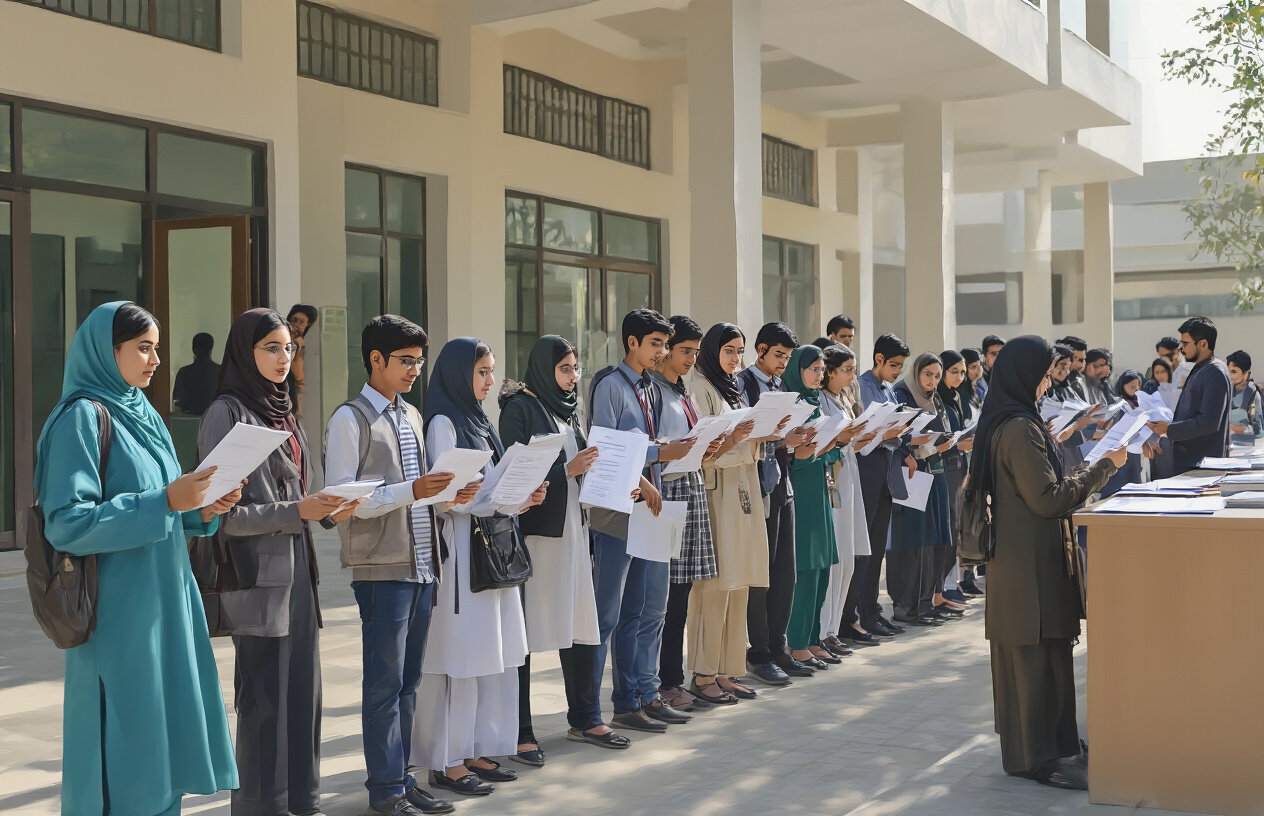
The PMDC fee structure 2025 has brought significant changes to how students apply to private medical colleges across Pakistan. Medical aspirants now need to submit additional financial documentation alongside their traditional academic credentials. The application process requires detailed family income statements, bank certificates, and affidavits declaring the ability to pay the newly regulated fees.
Private medical colleges must now provide transparent fee breakdowns during the application stage, clearly outlining tuition costs, laboratory charges, and examination fees according to PMDC new regulations 2025. Students receive standardized fee disclosure forms that eliminate hidden charges previously encountered during the admission process.
The documentation requirements include original MDCAT score cards, intermediate certificates with minimum 70% marks, and new financial verification forms introduced specifically for the 2025-26 academic session. Digital submission portals have been upgraded to accommodate these additional documents, streamlining the verification process while ensuring compliance with Pakistan Medical Dental Council fee limit guidelines.
Merit-Based Selection Criteria Adjustments
PMDC has refined merit calculation methods to ensure fair access under the medical college admission fees framework. The new system allocates 50% weightage to MDCAT scores, 40% to intermediate examination results, and 10% to interview performance. This adjustment prevents colleges from manipulating admission criteria to favor students who can pay higher fees.
Regional quota systems have been strengthened, with provinces required to reserve specific percentages for local students. Punjab allocates 85% seats for provincial candidates, Sindh maintains 80%, while Khyber Pakhtunkhwa and Balochistan reserve 90% for their residents. These quotas ensure educational opportunities remain accessible to students from all economic backgrounds.
The merit list compilation now follows standardized PMDC protocols, eliminating institutional bias in student selection. Colleges must publish merit lists publicly, showing MDCAT scores and intermediate marks for all admitted students. This transparency prevents under-the-table admissions that previously circumvented merit-based selection.
Scholarship and Financial Aid Opportunities
Under the private medical college fee reduction initiatives, institutions must allocate 10% of their total seats for scholarship recipients. These scholarships cover full tuition fees for students scoring above 85% in MDCAT examinations but demonstrating financial need through income verification.
Need-based financial assistance programs have expanded, with colleges required to offer payment installment plans spanning the entire academic year. Students can now pay fees in monthly installments rather than lump-sum amounts, reducing financial pressure on middle-class families pursuing medical education.
Government-backed loan schemes have been introduced in partnership with major banks, offering education loans at subsidized interest rates. Students can access loans covering up to 80% of their total degree costs, with repayment terms extending up to 10 years post-graduation.
Timeline Changes for Admission Cycles
The PMDC fee guidelines 2025-26 have standardized admission timelines across all private medical institutions. Applications now open on July 1st and close by August 15th, providing students with consistent deadlines regardless of their chosen institution.
Merit list announcements follow a unified schedule, with first merit lists published by August 25th, second lists by September 5th, and final lists by September 15th. This coordination prevents colleges from manipulating timelines to pressure students into hasty financial commitments.
Fee submission deadlines have been extended to 30 days post-admission confirmation, allowing families adequate time to arrange finances according to the medical education cost Pakistan standards. Previously, colleges demanded immediate fee payment, creating unnecessary financial stress for admitted students.
The academic session now uniformly begins on October 1st across all private medical colleges, ensuring synchronized curriculum delivery and standardized examination schedules throughout the country.
Monitoring and Enforcement Mechanisms by PMDC
Regular Audit Procedures for Fee Compliance
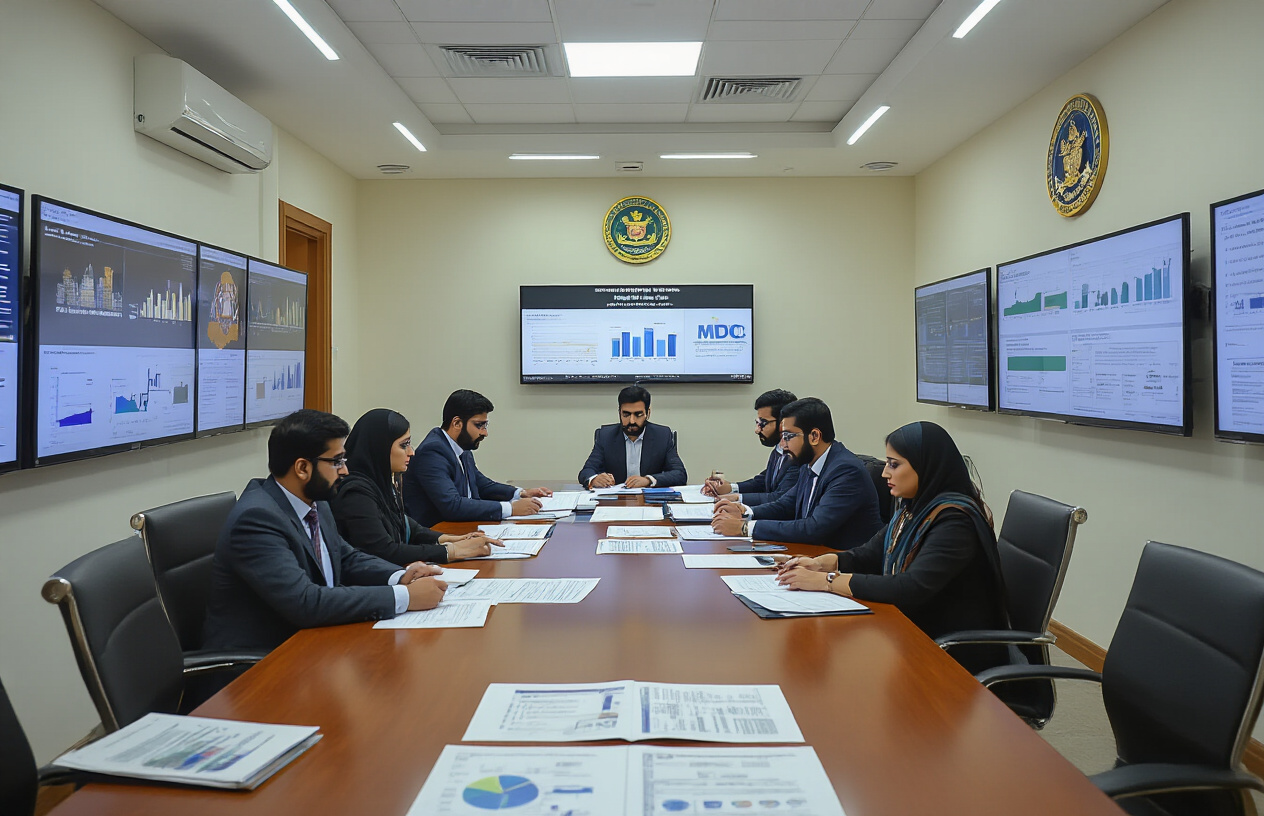
The Pakistan Medical Dental Council has established comprehensive audit procedures to ensure private medical colleges strictly adhere to the PMDC fee structure 2025. These systematic evaluations occur quarterly, with surprise inspections conducted randomly throughout the academic year. Each audit team consists of senior PMDC officials, financial experts, and independent monitors who scrutinize fee collection records, payment receipts, and student financial documentation.
During these audits, colleges must provide complete transparency regarding their fee collection practices. The audit process examines tuition fees, admission charges, examination fees, and any additional costs imposed on students. Special attention goes to identifying hidden charges or unauthorized fee increases that violate the established PMDC fee guidelines 2025-26.
The audit methodology includes:
- Document verification of all fee-related transactions
- Student interview sessions to validate fee payment experiences
- Financial record analysis comparing charged amounts with permitted limits
- Cross-reference checks with bank statements and official receipts
- Digital system audits of online payment platforms and fee management software
Colleges receive detailed audit reports within 15 working days, highlighting any discrepancies or violations discovered during the evaluation process. These reports become part of the institution’s permanent record with PMDC and influence future licensing decisions.
Penalties for Non-Compliant Medical Colleges
Private medical colleges that violate the medical college fee regulations Pakistan face escalating penalties designed to ensure swift compliance. The penalty structure operates on a three-tier system, with consequences becoming more severe for repeated violations.
First-time violations result in written warnings and mandatory corrective action plans. Colleges must refund excess fees to affected students within 30 days and provide written assurance of future compliance with PMDC new regulations 2025.
Second violations trigger financial penalties ranging from PKR 500,000 to PKR 2,000,000, depending on the severity and scope of the violation. Additionally, colleges face temporary suspension of new admissions for one academic session, significantly impacting their revenue and reputation.
Repeat offenders face the most severe consequences:
| Violation Level | Financial Penalty | Additional Consequences |
|---|---|---|
| Third Offense | PKR 2-5 Million | 2-year admission suspension |
| Fourth Offense | PKR 5-10 Million | License review proceedings |
| Fifth Offense | PKR 10+ Million | Permanent license revocation |
The PMDC enforcement mechanisms also include public disclosure of non-compliant institutions on the official website, warning prospective students and parents about problematic colleges. This transparency measure serves as a powerful deterrent, as reputation damage often proves more costly than the financial penalties themselves.
Student Complaint Resolution Process
PMDC has streamlined the complaint resolution process to address fee-related grievances efficiently. Students experiencing unauthorized fee charges or violations of the private medical college fees Pakistan limits can file complaints through multiple channels.
The complaint submission process accepts grievances via:
- Online portal accessible 24/7 through the official PMDC website
- Dedicated helpline staffed by trained representatives
- Regional offices located in major cities across Pakistan
- Mobile application for smartphone users
- Email submissions with automated acknowledgment systems
Once submitted, complaints undergo initial screening within 48 hours. Valid complaints receive unique tracking numbers, allowing students to monitor progress throughout the resolution process. PMDC assigns case officers who investigate claims by contacting both the complainant and the accused institution.
The investigation timeline follows strict deadlines:
- Day 1-3: Initial complaint verification and case assignment
- Day 4-10: Evidence collection and institutional response gathering
- Day 11-15: Case evaluation and preliminary findings
- Day 16-21: Final decision and resolution implementation
- Day 22-30: Follow-up to ensure compliance with resolution
Students receive regular updates via SMS and email, maintaining transparency throughout the process. When complaints prove valid, PMDC orders immediate refunds and implements corrective measures. The council maintains detailed records of all complaints, creating a comprehensive database that helps identify patterns of misconduct and informs future regulatory decisions.
This robust complaint resolution system empowers students to actively participate in maintaining fair medical education cost Pakistan standards while providing PMDC with valuable insights for continuous improvement of the regulatory framework.
The PMDC’s new fee limits for private medical colleges represent a significant shift that will make medical education more accessible to Pakistani families. Students can now expect clearer, standardized fee structures that eliminate many of the hidden costs and unexpected charges that previously plagued the admission process. This change means families can better plan their finances and more students from middle-class backgrounds will have the opportunity to pursue their dreams of becoming doctors.
Private medical colleges will need to restructure their operations to work within these new financial boundaries, but this doesn’t mean compromising on education quality. The PMDC’s monitoring systems will ensure institutions maintain their standards while staying within the fee caps. If you’re planning to apply for medical college admission in 2025-26, now is the time to research your options and prepare your applications with confidence that the costs will be more predictable and fair.
Unlock Your Medical Dreams: Complete Guide to MBBS Fee Structure in PMDC 2025
Are you dreaming of becoming a doctor in Pakistan? Well, you’re not alone! Thousands of students across the country share this same DREAM every year. But here’s the thing – understanding the fee structure for MBBS programs under PMDC (Pakistan Medical & Dental Council) can feel like solving a complicated puzzle. Don’t worry though, because we’re about to break it down in the simplest way possible.
The year 2025 brings new opportunities & challenges for aspiring medical students. Whether you’re a fresh graduate from college or someone who’s been preparing for years, knowing exactly how much you’ll need to invest in your medical education is CRUCIAL. This comprehensive guide will walk you through everything you need to know about MBBS fees in PMDC-recognized institutions for 2025.
From government colleges with their affordable fee structures to private institutions with premium facilities, we’ll explore all your options. We’ll also discuss hidden costs that many students forget to consider, payment methods, scholarship opportunities, & practical tips to manage your finances effectively. By the end of this article, you’ll have a clear roadmap of what to expect financially when pursuing your MBBS degree in Pakistan.
Understanding PMDC & Its Role in Medical Education
The Pakistan Medical & Dental Council serves as the regulatory body for medical education in Pakistan. Think of PMDC as the GUARDIAN that ensures all medical colleges maintain proper standards & provide quality education. Every medical college in Pakistan must get approval from PMDC to run their MBBS programs. This means when you choose a PMDC-recognized college, you’re guaranteed that your degree will be valid & accepted worldwide.
PMDC doesn’t just give approvals randomly. They have strict criteria that colleges must meet. These include having proper facilities, qualified teachers, well-equipped laboratories, & adequate hospital facilities for practical training. The council also regularly inspects these colleges to make sure they’re maintaining their standards. This is why PMDC recognition is so IMPORTANT when choosing your medical college.
For 2025, PMDC has updated several guidelines that affect fee structures. They’ve introduced new regulations to make medical education more transparent & affordable. The council now requires all colleges to clearly display their fee structures & follow specific guidelines when setting their fees. This means you’ll have better clarity about costs upfront, which is great news for students & their families.
Government Medical Colleges: Your Most Affordable Option
Government medical colleges remain the most POPULAR choice for MBBS students in Pakistan, & it’s easy to see why. These institutions offer world-class medical education at incredibly affordable rates. For 2025, the fee structure in government colleges typically ranges from PKR 50,000 to PKR 100,000 per year for local students. This might seem like a lot, but when you compare it to private colleges or studying abroad, it’s actually quite reasonable.
The beauty of government colleges lies not just in their affordability but also in their REPUTATION. Colleges like King Edward Medical University, Dow University of Health Sciences, & Allama Iqbal Medical College have produced some of Pakistan’s finest doctors. These institutions have excellent faculty members, modern facilities, & strong connections with major hospitals for practical training.
However, getting admission in government colleges is extremely competitive. You’ll need excellent marks in your intermediate exams & high scores in entry tests like MDCAT. The merit lists are usually very high, especially for popular colleges in major cities. But don’t let this discourage you! With proper preparation & dedication, many students successfully secure admission in government colleges every year. The key is to start preparing early & stay consistent with your studies.
Private Medical Colleges: Premium Education with Higher Costs
Private medical colleges offer an alternative path for students who might not meet the merit requirements for government institutions or prefer smaller class sizes & more personalized attention. The fee structure for private colleges in 2025 varies significantly, ranging from PKR 800,000 to PKR 2,500,000 per year. Yes, that’s quite a JUMP from government college fees, but private institutions argue that they provide additional benefits that justify these costs.
Many private colleges boast state-of-the-art facilities, modern equipment, & lower student-to-teacher ratios. Some have partnerships with international universities, offering exchange programs & global exposure. Colleges like Shifa College of Medicine, Fatima Jinnah Medical University, & CMH Lahore Medical College have built strong reputations over the years. They often have better infrastructure, more comfortable learning environments, & sometimes faster progression through the curriculum.
The admission process for private colleges is generally less competitive than government institutions, but that doesn’t mean they accept everyone. Most private colleges still require decent grades & entry test scores. However, they might be more flexible with their merit requirements, especially if you can afford their fees. Some private colleges also offer their own entrance tests, giving you multiple chances to prove your capabilities. It’s worth noting that many private colleges also offer scholarship programs for deserving students, which can significantly reduce the financial burden.
Hidden Costs & Additional Expenses You Should Consider
When planning your BUDGET for MBBS studies, the tuition fee is just the tip of the iceberg. There are numerous additional expenses that many students & parents overlook initially. These hidden costs can add up to several hundred thousand rupees over your five-year degree program. Let’s break down these expenses so you can plan better.
First, there are examination fees that you’ll need to pay for university exams, PMDC examinations, & other assessments. These can range from PKR 5,000 to PKR 15,000 per exam session. Then there are laboratory fees, library fees, & charges for using various facilities within the college. Many colleges also require students to purchase specific textbooks, lab coats, stethoscopes, & other medical equipment, which can easily cost PKR 50,000 to PKR 100,000 in your first year alone.
Accommodation is another MAJOR expense, especially if you’re studying away from home. Hostel fees can range from PKR 30,000 to PKR 150,000 per year, depending on whether you choose a government or private college hostel. If you prefer private accommodation, costs can be even higher. Don’t forget about daily expenses like food, transportation, internet, & personal needs. Clinical rotations in your final years might require you to travel to different hospitals, adding transportation & sometimes accommodation costs. Smart students start saving for these expenses early in their academic journey.
Payment Plans & Financial Assistance Options
Understanding payment options can make your MBBS journey much more manageable financially. Most colleges offer flexible payment plans that allow you to pay fees in installments rather than one lump sum. Government colleges typically allow semester-wise payments, while private colleges might offer monthly or quarterly payment options. This flexibility can be a LIFESAVER for families who need time to arrange funds.
Many banks in Pakistan now offer educational loans specifically designed for medical students. Banks like HBL, UBL, & MCB have special schemes with competitive interest rates & flexible repayment terms. Some banks even offer loans without requiring collateral if you have admission in a reputable college. The loan amounts can cover not just tuition fees but also living expenses & other educational costs. However, it’s important to understand the terms & conditions carefully before taking any loan.
Scholarship opportunities are more abundant than many students realize. The government offers various merit & need-based scholarships through programs like the Prime Minister’s Fee Reimbursement Scheme & provincial government scholarships. Many private organizations, foundations, & even individual colleges offer their own scholarship programs. Some scholarships cover full tuition fees, while others provide partial support. The key is to research & apply for multiple scholarships early in your academic journey. Don’t wait until you’re already in college – many scholarships require applications before or during the admission process.
Planning Your Medical Education Investment Wisely
Now that you understand the complete fee structure & associated costs, it’s time to make informed decisions about your medical education investment. Remember, pursuing MBBS is not just an expense – it’s an investment in your future that will provide returns for your entire career. However, smart planning can help you minimize costs while maximizing the VALUE of your education.
Start by honestly assessing your financial situation & academic capabilities. If you have strong grades & are confident about cracking competitive entry tests, focusing on government colleges makes perfect sense. But if you’re concerned about merit competition, having private colleges as backup options is wise. Consider creating a comprehensive budget that includes all potential expenses over five years, not just the first year.
Location plays a crucial role in your overall expenses. Studying in your home city can save significant amounts on accommodation & travel costs. However, don’t compromise on college quality just to save money – sometimes investing a bit more in a better college pays off in the long run through better career opportunities. Research thoroughly, visit colleges if possible, & talk to current students & alumni to get realistic perspectives on costs & benefits.
The journey to becoming a doctor in Pakistan requires significant financial planning, but it’s absolutely achievable with the right approach. Whether you choose government colleges with their affordable fees or private institutions with premium facilities, the key is understanding all costs involved & planning accordingly. Remember that PMDC’s updated guidelines for 2025 have made fee structures more transparent, giving you better information to make informed decisions.
Don’t let financial concerns discourage you from pursuing your medical dreams. With proper planning, scholarship opportunities, & flexible payment options, many students successfully complete their MBBS degrees without overwhelming financial burden. Start your financial planning early, explore all available options, & remember that investing in quality medical education will serve you well throughout your career. The medical profession offers excellent earning potential & job security, making it a worthwhile investment despite the initial costs. Your future patients are counting on dedicated individuals like you to join the medical profession & serve humanity.
PMDC Sets New Fee Cap for Private Medical Colleges (2025–26)
In a significant move to protect students from “unregulated profiteering,” the Pakistan Medical and Dental Council (PMDC) has officially capped the annual tuition fee for private medical and dental colleges at Rs. 1.89 Million for the 2025–2026 academic session.
This decision follows the directives of the Medical Education Committee, established by Prime Minister Shehbaz Sharif and chaired by Deputy Prime Minister Ishaq Dar. The regulation is designed to standardize costs and ensure transparency across the private healthcare education sector.
Breakdown of the 2025–26 Fee Structure
The PMDC has implemented a strict “base + increase” formula to keep costs predictable for families.
- Base Annual Fee: Fixed at Rs. 1.8 Million (originally set for the 2024–25 session).
- Allowed Increase: A 5% annual hike has been approved for the 2025–26 session, bringing the maximum total to Rs. 1.89 Million.
- Inflation Linkage: Starting from the 2026–27 session onward, any further fee increases will be strictly tied to the Consumer Price Index (CPI) inflation rate.
- Inclusion Policy: This cap is inclusive of all charges (ancillary matters), preventing colleges from adding hidden costs like “development funds” or “library fees.”
New Compliance Rules for Institutions
Under the PMDC Act 2022, all private medical and dental institutions must adhere to the following transparency guidelines:
- Public Disclosure: Every college must display its complete fee structure on its official website and notice boards at least three months before the start of the admission process.
- Refund/Adjustment Policy: Any institution that has already collected fees exceeding the Rs. 1.89 million limit is legally obligated to refund or adjust the excess amount in subsequent installments.
- Financial Justification: Colleges that believe their operational costs require a higher fee (up to a maximum ceiling of Rs. 2.5 million) must submit a detailed financial audit to the PMDC for special approval.
Penalties for Violating the Cap
The PMDC has issued a final warning that non-compliance will not be tolerated. Institutions found charging above the approved limit will face action under Section 33 of the PMDC Act 2022, which includes:
- Immediate suspension of accreditation.
- Ban on new student admissions.
- Heavy financial penalties and legal proceedings.
Guidance for Students and Parents
If you are an MDCAT 2025 aspirant or a current student being asked to pay more than the notified amount, you are encouraged to take action.
How to File a Complaint:
If a college is overcharging or refuses to provide a clear fee breakdown, you can lodge a formal complaint via the PMDC Official Complaint Portal. Ensure you have documentary proof of the demand or payment.
Important Internal Links for Students
- Check Admission Merit: MDCAT 2025 Provincial Merit Lists & Closing Ranks
- College Comparison: List of Top Recognized Private Medical Colleges in Pakistan
- Syllabus Update: Latest PMDC Guidelines for MDCAT 2025 Candidates
Would you like me to help you draft a formal complaint letter to the PMDC regarding a specific college’s fee structure?
What is the official maximum fee for the 2025–26 session?
The PMDC has set a maximum annual tuition fee cap of Rs. 1.89 Million. This includes the base fee of Rs. 1.8 million plus a 5% annual increase approved for this session
Does this fee include hostel and transport charges?
No. The Rs. 1.89 million cap specifically covers tuition fees and all ancillary academic charges (like labs and library). Personal expenses such as hostel accommodation, mess, and transport are charged separately.
Can a college charge more than Rs. 1.89 Million?
Generally, no. However, colleges with exceptionally high operational costs can apply for a special “Conditional Fee Enhancement” up to Rs. 2.5 Million, but only if they provide a detailed financial audit to PMDC and receive formal approval.
Are there any discounts for paying the full fee upfront?
Yes! Under PMDC regulations:
4% Discount: If you pay the full annual fee in advance.
2% Discount: If you pay the fee on a six-monthly (bi-annual) basis in advance.