



پنجاب حکومت نے طلباء کے لیے ایک بڑا اعلان کیا ہے – 10 ہزار الیکٹرک بائیکس مفت تقسیم کرنے کا منصوبہ۔ یہ اقدام خاص طور پر کالج اور یونیورسٹی کے طلباء کے لیے ہے جو روزانہ لمبے فاصلے طے کرکے تعلیم حاصل کرتے ہیں۔
اس مضمون میں ہم دیکھیں گے کہ یہ الیکٹرک بائیکس طلباء کے لیے کیسے فائدہ مند ہیں، کون سے طلباء اس منصوبے سے استفادہ کر سکتے ہیں اور درخواست کیسے دینی ہے، اور یہ بائیکس کن خصوصیات کے ساتھ آئیں گی۔
پنجاب میں الیکٹرک بائیکس کے اعلان کی تفصیلات
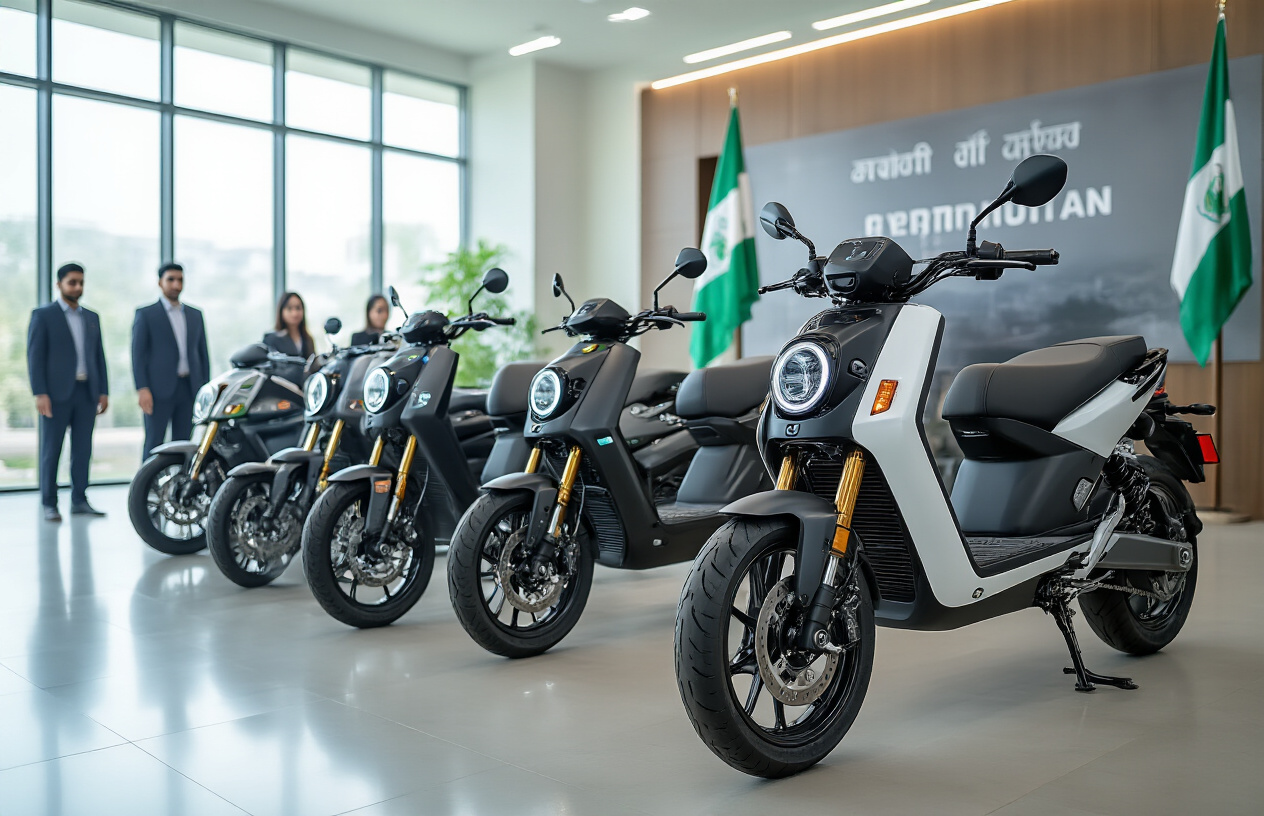

دس ہزار الیکٹرک بائیکس کی تقسیم کا منصوبہ
پنجاب حکومت نے تعلیمی سال 2024-25 کے لیے 10,000 الیکٹرک بائیکس کی تقسیم کا اہم اعلان کیا ہے۔ یہ منصوبہ صوبائی سطح پر تمام یونیورسٹیوں، کالجز اور تکنیکی تعلیمی اداروں میں زیر تعلیم طلباء کو شامل کرتا ہے۔ پہلے مرحلے میں 5,000 بائیکس اکتوبر تک تقسیم کی جائیں گی، جبکہ باقی 5,000 بائیکس دسمبر تک طلباء تک پہنچائی جائیں گی۔
صوبے کے تمام 36 اضلاع میں یہ بائیکس تقسیم کی جائیں گی، جہاں ہر ضلع میں کم از کم 250 بائیکس کی الاٹمنٹ کی گئی ہے۔ لاہور، فیصل آباد، راولپنڈی اور ملتان جیسے بڑے شہروں میں زیادہ تعداد میں بائیکس فراہم کی جائیں گی کیونکہ وہاں طلباء کی تعداد زیادہ ہے۔
طلباء کے لیے مخصوص کردہ سہولت کی وضاحت
یہ الیکٹرک بائیکس خاص طور پر انڈرگریجویٹ اور پوسٹ گریجویٹ طلباء کے لیے ڈیزائن کی گئی ہیں جو روزانہ تعلیمی ادارے جانے کے لیے ٹرانسپورٹ کی مشکل کا سامنا کرتے ہیں۔ یہ بائیکس 60 کلومیٹر فی گھنٹہ کی رفتار سے چل سکتی ہیں اور ایک بار چارج کرنے پر 80-100 کلومیٹر تک کا سفر طے کر سکتی ہیں۔
طلباء کو یہ بائیکس فری ریجسٹریشن اور انشورنس کے ساتھ دی جائیں گی۔ پہلے دو سال تک مفت سروسنگ اور اسپیئر پارٹس کی سہولت بھی شامل ہے۔ طلباء کو صرف ڈرائیونگ لائسنس اور ہیلمٹ کی ضرورت ہوگی، جو حکومت کی طرف سے مہیا کیا جائے گا۔
حکومت کی جانب سے دی جانے والی امدادی رقم
ہر الیکٹرک بائیک کی اصل قیمت 2.5 لاکھ روپے ہے، لیکن حکومت نے 85% سبسڈی کا اعلان کیا ہے۔ اس طرح طلباء کو صرف 37,500 روپے ادا کرنے ہوں گے، جو کہ 12 آسان قسطوں میں بھی دیے جا سکتے ہیں۔ یہ رقم ماہانہ 3,125 روپے بنتی ہے، جو کہ زیادہ تر طلباء کے لیے آسان ہے۔
مالی طور پر کمزور طلباء کے لیے مکمل مفت بائیکس کی سہولت بھی موجود ہے۔ ایسے طلباء جن کے والدین کی ماہانہ آمدنی 50,000 روپے سے کم ہے، وہ مکمل مفت بائیک حاصل کر سکتے ہیں۔ اس کے علاوہ، یتیم طلباء اور خواتین طلباء کو ترجیح دی جائے گی۔
طلباء کے لیے الیکٹرک بائیکس کے فوائد
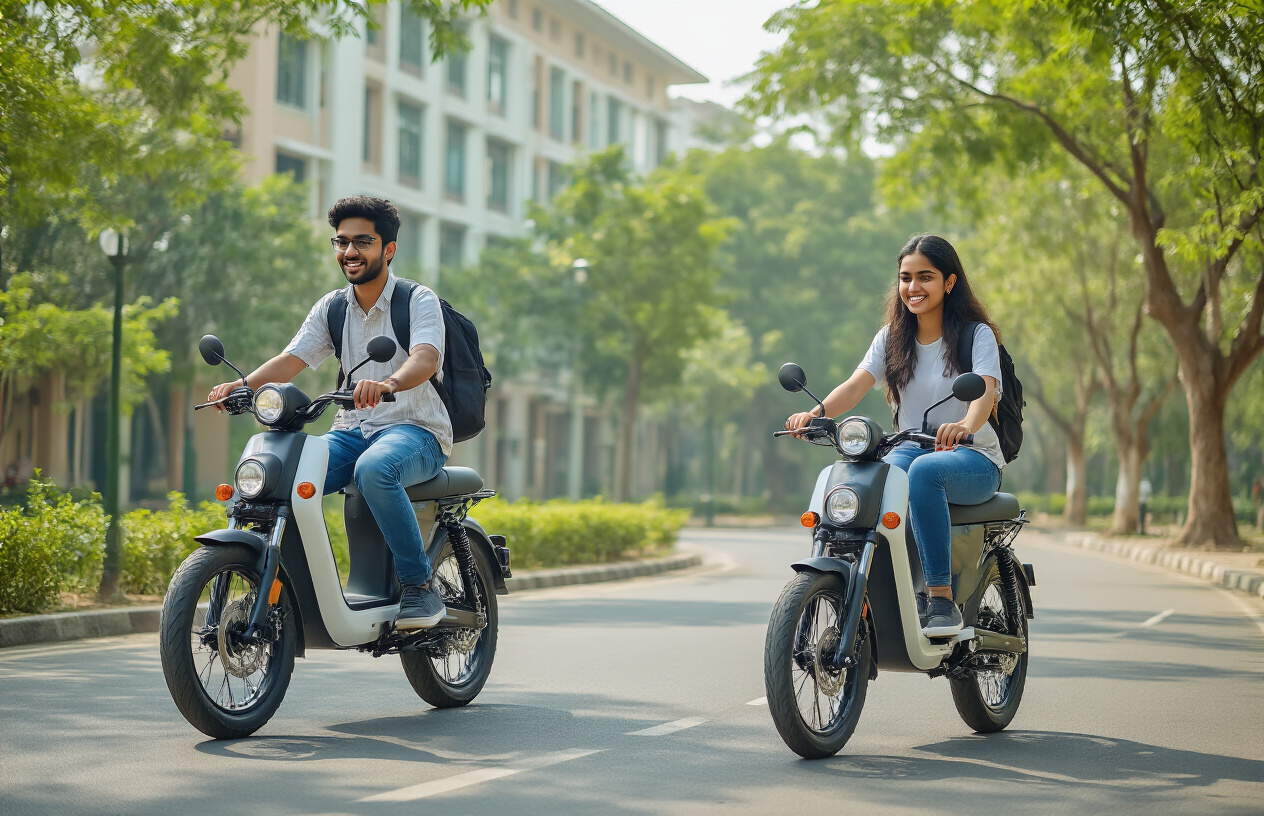
تعلیمی اداروں تک آسان رسائی
الیکٹرک بائیکس طلباء کو اپنے کالجز اور یونیورسٹیز تک پہنچنے میں نئی آزادی فراہم کرتی ہیں۔ کئی طالب علم روزانہ کئی کلومیٹر کا سفر کرتے ہیں اور انہیں مختلف بسوں یا رکشوں کا انتظار کرنا پڑتا ہے۔ الیکٹرک بائیکس کے ساتھ وہ اپنے وقت کے مطابق گھر سے نکل سکتے ہیں اور کسی قسم کی پریشانی کے بغیر تعلیمی ادارے پہنچ سکتے ہیں۔ خاص طور پر دور دراز کے علاقوں کے طلباء کے لیے یہ انقلابی تبدیلی ہے جہاں عام طور پر پبلک ٹرانسپورٹ کی سہولات محدود ہوتی ہیں۔ یہ بائیکس صرف شہری علاقوں میں ہی نہیں بلکہ دیہی علاقوں میں بھی کارآمد ثابت ہوں گی۔
ماہانہ نقل و حمل کے اخراجات میں کمی
ایک اوسط طالب علم کا ماہانہ ٹرانسپورٹ کا خرچہ 3000 سے 5000 روپے تک ہو سکتا ہے، جو کئی خاندانوں کے لیے بڑا بوجھ ہے۔ الیکٹرک بائیکس کے استعمال سے یہ لاگت نمایاں طور پر کم ہو جائے گی۔ بجلی کی چارجنگ کا خرچ ماہانہ 500 سے 800 روپے کے درمیان ہوگا، جو روایتی پٹرول کے مقابلے میں بہت کم ہے۔
| نقل و حمل کا ذریعہ | ماہانہ لاگت |
|---|---|
| پبلک ٹرانسپورٹ | 3000-5000 روپے |
| پٹرول بائیک | 4000-6000 روپے |
| الیکٹرک بائیک | 500-800 روپے |
یہ بچت طلباء کو دیگر تعلیمی ضروریات جیسے کتابیں، لیب فیس یا کورس میٹریل خریدنے میں مدد کرے گی۔
ماحولیاتی آلودگی میں کمی کا کردار
پنجاب میں فضائی آلودگی ایک سنگین مسئلہ ہے اور نوجوان نسل اس کے خطرناک اثرات کا شکار ہو رہی ہے۔ الیکٹرک بائیکس کا استعمال کربن فوٹ پرنٹ کو نمایاں طور پر کم کرتا ہے۔ ہر الیکٹرک بائیک سالانہ تقریباً 1.2 ٹن کاربن ڈائی آکسائیڈ کے اخراج میں کمی لا سکتی ہے۔ 10 ہزار بائیکس کے ساتھ یہ تعداد 12,000 ٹن تک پہنچ سکتی ہے۔ طلباء صرف اپنی ذاتی سہولت ہی نہیں بلکہ اپنے شہر کی صاف ہوا کے لیے بھی کام کر رہے ہوں گے۔ یہ نئی نسل کو ماحولیاتی ذمہ داری کا احساس بھی دلائے گا اور انہیں پائیدار ٹکنالوجی اپنانے کی ترغیب ملے گی۔
وقت کی بچت اور بہتر نظام الاوقات
الیکٹرک بائیکس طلباء کو ٹائم ٹیبل کی لچکدار پیروی کرنے میں مدد کرتی ہیں۔ بس کے انتظار میں گزارے جانے والے 20-30 منٹ روزانہ بچ جائیں گے۔ صبح جلدی نکلنے کا دباؤ کم ہو جائے گا کیونکہ ٹریفک میں بائیک آسانی سے آگے نکل سکتی ہے۔ کلاسز کے درمیان وقفوں میں طلباء مختلف کیمپسز یا لائبریری جا سکیں گے۔ شام کو extra-curricular activities میں حصہ لے سکیں گے کیونکہ گھر واپسی کی پریشانی نہیں ہوگی۔ یہ بہتری طلباء کی مجموعی تعلیمی کارکردگی میں اضافہ کرے گی۔
اہلیت کے معیار اور درخواست کا طریقہ کار
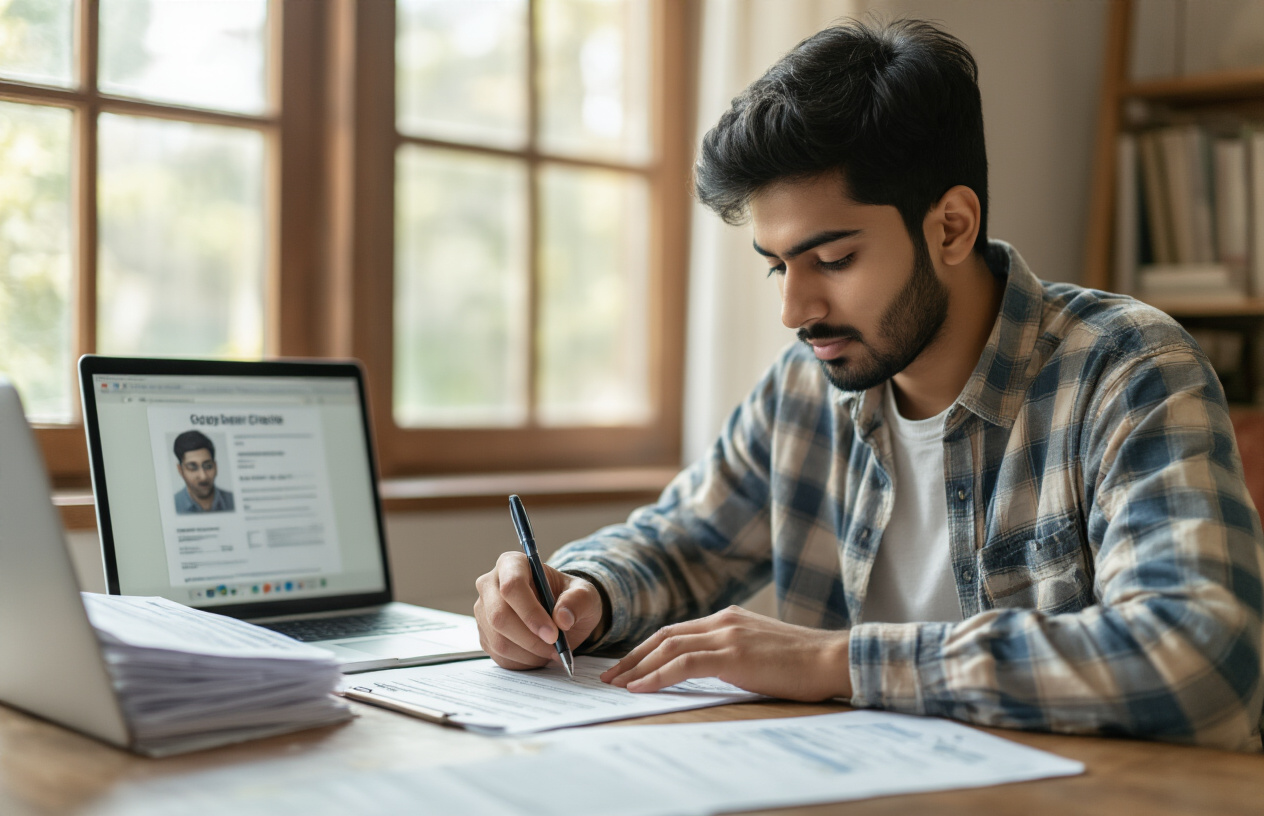
طلباء کے لیے ضروری شرائط
پنجاب حکومت کی جانب سے الیکٹرک بائیکس کی تقسیم کے لیے مخصوص اہلیت کے معیارات مقرر کیے گئے ہیں۔ درخواست دینے والے طلباء کی عمر 18 سے 25 سال کے درمیان ہونی چاہیے اور وہ پنجاب کے کسی بھی تعلیمی ادارے میں بطور طالب علم مطالعہ کر رہے ہوں۔ اس کے ساتھ ہی خاندانی آمدنی کی حد 50,000 روپے ماہانہ مقرر کی گئی ہے۔
موٹرسائیکل لائسنس یا لرنر پرمٹ کا ہونا لازمی ہے۔ طلباء کو کم از کم دو سال کا تعلیمی ریکارڈ پیش کرنا ہوگا اور وہ کسی سرکاری یا نجی ادارے میں باقاعدگی سے حاضری دکھانی ہوگی۔ صرف وہ طلباء جن کے پاس پہلے سے کوئی گاڑی نہیں ہے اس پروگرام کے لیے اہل سمجھے جائیں گے۔
آن لائن رجسٹریشن کا عمل
رجسٹریشن کا عمل مکمل طور پر آن لائن کیا جائے گا۔ پہلے طلباء کو سرکاری ویب پورٹل پر اپنا اکاؤنٹ بنانا ہوگا۔ فارم بھرتے وقت تمام معلومات بالکل درست اور مکمل ہونی چاہیے کیونکہ غلط معلومات کی صورت میں درخواست مسترد ہو سکتی ہے۔
رجسٹریشن کے اقدامات:
- پورٹل پر اکاؤنٹ بنائیں
- شناختی کارڈ کے ذریعے تصدیق کروائیں
- تعلیمی کوائف اور خاندانی تفصیلات داخل کریں
- مطلوبہ دستاویزات اپ لوڈ کریں
- ابتدائی جانچ کے بعد توثیقی کوڈ موصول کریں
مطلوبہ دستاویزات کی فہرست
درخواست کے ساتھ مندرجہ ذیل دستاویزات کا ہونا ضروری ہے:
| دستاویز | تفصیل | فارمیٹ |
|---|---|---|
| شناختی کارڈ | اصل کی کاپی اور تصدیق شدہ کاپی | PDF/JPG |
| فارم بی | خاندانی کارڈ کی تصدیق شدہ کاپی | |
| آمدنی کا سرٹیفکٹ | یونین کونسل یا تحصیل سے جاری | |
| تعلیمی سرٹیفکیٹ | حالیہ کلاس کا نتیجہ کارڈ | PDF/JPG |
| موٹرسائیکل لائسنس | ڈرائیونگ لائسنس یا لرنر پرمٹ | PDF/JPG |
اضافی دستاویزات میں بینک اکاؤنٹ کی تفصیلات، رہائشی پتے کی تصدیق، اور تعلیمی ادارے کی جانب سے جاری کردہ بونافائیڈ سرٹیفکیٹ شامل ہیں۔ تمام دستاویزات کا واضح اور پڑھنے کے قابل ہونا ضروری ہے۔
الیکٹرک بائیکس کی تکنیکی خصوصیات
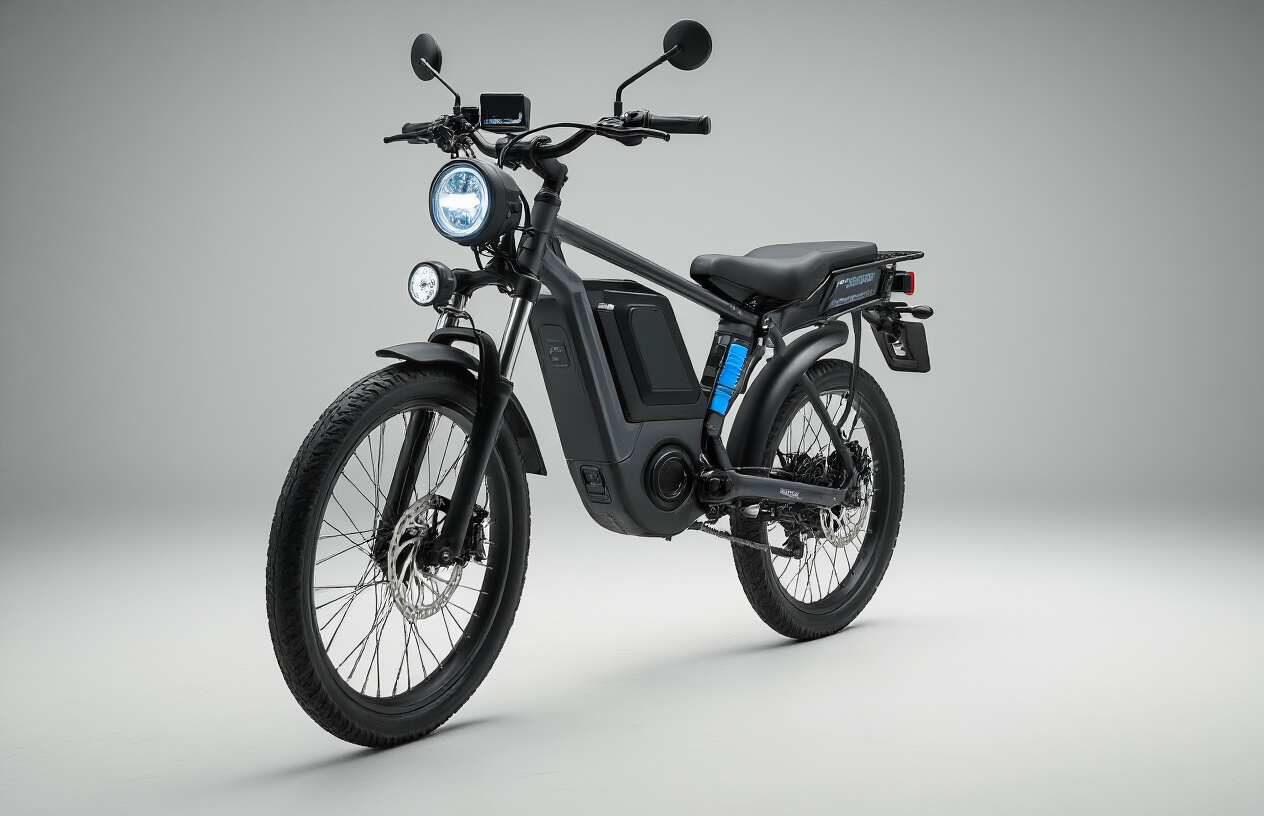
بیٹری کی مدت اور چارجنگ ٹائم
پنجاب حکومت کی طرف سے فراہم کی جانے والی الیکٹرک بائیکس میں جدید لیتھیم آئن بیٹری استعمال ہوئی ہے جو مکمل چارج کے بعد 80 سے 100 کلومیٹر تک کا فاصلہ طے کر سکتی ہے۔ یہ بیٹری عام گھریلو پاور سپلائی (220V) سے 4 سے 6 گھنٹے میں مکمل چارج ہو جاتی ہے۔ فاسٹ چارجنگ کی سہولت بھی دستیاب ہے جس سے 80% چارج صرف 2-3 گھنٹوں میں حاصل کیا جا سکتا ہے۔
بیٹری کی زندگی تقریباً 800-1000 چارج سائیکل کی ہے، جس کا مطلب یہ ہے کہ یہ 3 سے 5 سال تک بہترین کارکردگی فراہم کر سکتی ہے۔ ہر بائیک کے ساتھ ایک پورٹیبل چارجر بھی دیا جاتا ہے تاکہ کالج یا کہیں اور بھی آسانی سے چارج کیا جا سکے۔
رفتار اور فاصلے کی حد
یہ الیکٹرک بائیکس کی زیادہ سے زیادہ رفتار 45-50 کلومیٹر فی گھنٹہ ہے، جو شہری علاقوں میں محفوظ ٹرانسپورٹیشن کے لیے بالکل موزوں ہے۔ بائیک میں مختلف موڈز دستیاب ہیں:
- ایکو موڈ: کم رفتار (25 km/h) لیکن زیادہ میلیج
- نارمل موڈ: متوسط رفتار (35 km/h) اور بہترین پرفارمنس
- اسپورٹس موڈ: زیادہ رفتار (50 km/h) کم میلیج کے ساتھ
ایک مکمل چارج میں 80-100 کلومیٹر کا فاصلہ طے کر سکتے ہیں، جو طلباء کے روزانہ کالج جانے آنے کے لیے کافی ہے۔ پہاڑی علاقوں میں یہ رینج کچھ کم ہو سکتی ہے۔
حفاظتی فیچرز اور اضافی سہولات
ان الیکٹرک بائیکس میں جدید حفاظتی خصوصیات شامل ہیں:
- اینٹی لاک بریکنگ سسٹم (ABS): اچانک بریک لگانے کی صورت میں بائیک کو کنٹرول میں رکھتا ہے
- LED ہیڈ لائٹس اور ٹیل لائٹس: بہتر وزیبلٹی کے لیے
- ڈیجیٹل ڈسپلے: رفتار، بیٹری لیول، اور فاصلے کی معلومات
- GPS ٹریکنگ: چوری کی صورت میں بائیک کا پتا لگانے کے لیے
- موبائل ایپ کنکٹیویٹی: بائیک کو دور سے لاک/انلاک کرنے کی سہولت
- USB چارجنگ پورٹ: موبائل فون چارج کرنے کے لیے
بائیک میں واٹر پروف ڈیزائن بھی شامل ہے تاکہ بارش میں بھی محفوظ استعمال ہو سکے۔
مینٹیننس اور سروس کی سپورٹ
حکومت نے صوبے بھر میں 50+ آتھرائزڈ سروس سینٹر قائم کیے ہیں جو مفت سروس فراہم کریں گے۔ پہلے دو سال میں تمام سروس اور مینٹیننس مکمل طور پر مفت ہوگا۔ ہر سروس سینٹر میں:
- ٹریننڈ ٹیکنیشن: خاص تربیت یافتہ انجینئرز
- جینوائن پارٹس: اصل کمپنی کے پارٹس کی دستیابی
- فاسٹ سروس: عام مسائل کا 24 گھنٹے میں حل
- ہیلپ لائن: 24/7 کسٹمر سپورٹ (08000-BIKES)
بائیک میں سیلف ڈایگنوسٹک سسٹم بھی لگا ہے جو مسائل کو پہلے سے بتا دیتا ہے۔ انجن میں کوئی خاص مینٹیننس کی ضرورت نہیں کیونکہ یہ الیکٹرک موٹر استعمال کرتا ہے۔
منصوبے کا نفاذ اور مستقبل کے اہداف
مرحلہ وار تقسیم کا ٹائم ٹیبل
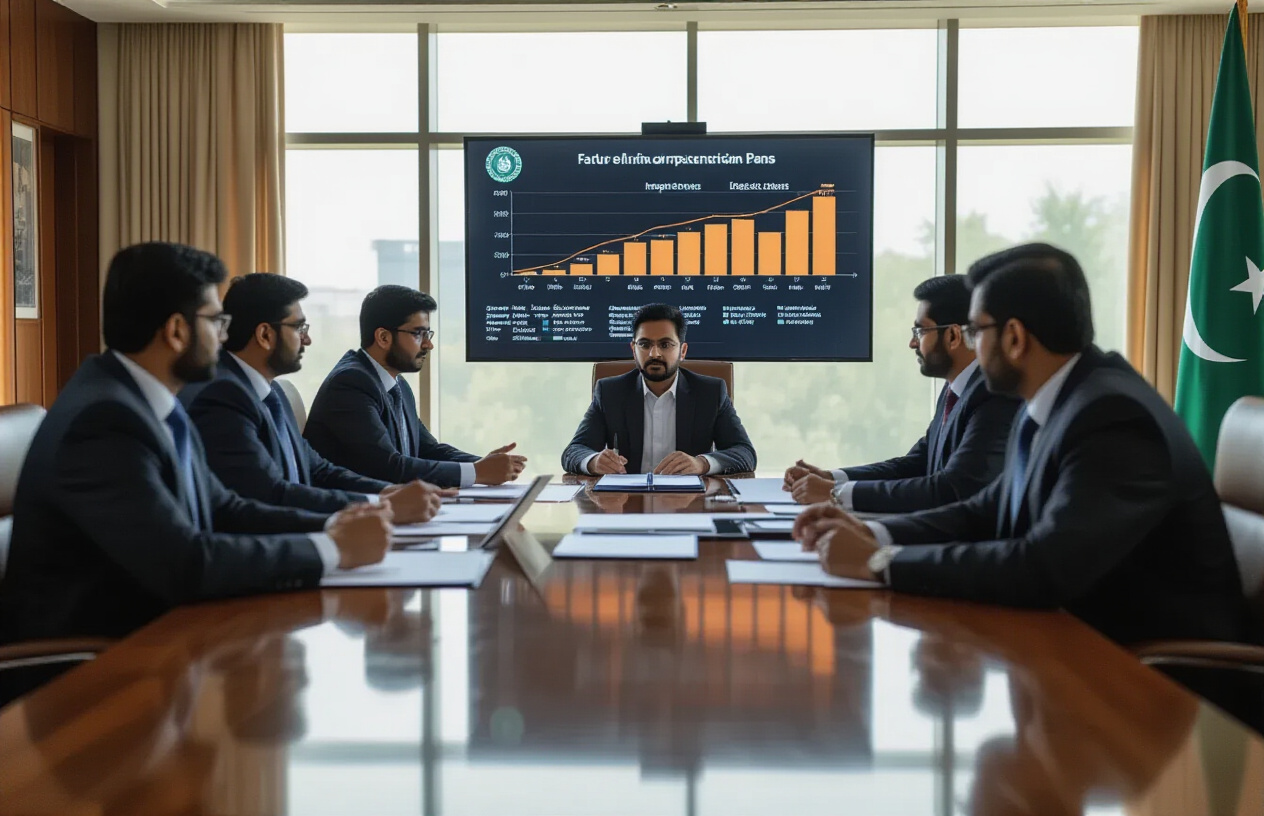
پنجاب حکومت نے اس منصوبے کی تقسیم کے لیے ایک منظم اور واضح ٹائم ٹیبل تیار کیا ہے۔ پہلے مرحلے میں 2,500 الیکٹرک بائیکس اگلے تین مہینوں میں میرٹ کی بنیاد پر منتخب طلباء کو فراہم کی جائیں گی۔ یہ ابتدائی تقسیم کراچی، لاہور، اور فیصل آباد جیسے بڑے شہروں میں ہوگی جہاں یونیورسٹیوں کی تعداد زیادہ ہے۔
دوسرا مرحلہ چھ ماہ بعد شروع ہوگا جس میں 3,500 مزید بائیکس تقسیم کی جائیں گی۔ اس دفعہ چھوٹے شہروں اور قصبوں کو بھی شامل کیا جائے گا۔ آخری مرحلہ اگلے سال مکمل ہوگا جب باقی 4,000 بائیکس دور دراز علاقوں کے طلباء کو دی جائیں گی۔ ہر مرحلے سے پہلے بائیکس کی مناسب مقدار میں چارجنگ سٹیشنز اور سروس سنٹرز کا قیام ضروری ہے۔
دیگر صوبوں کے لیے مثال کا کردار
یہ منصوبہ صرف پنجاب تک محدود نہیں رہے گا بلکہ دیگر صوبوں کے لیے ایک بہترین مثال بنے گا۔ سندھ اور بلوچستان کی حکومتوں نے پہلے ہی اسی طرح کے پروگرام شروع کرنے میں دلچسپی ظاہر کی ہے۔ خیبر پختونخواہ میں بھی تعلیمی اداروں کے ذریعے اس قسم کی پہل کے بارے میں بحث جاری ہے۔
پنجاب کا یہ قدم دوسرے صوبوں کو بھی ماحولیاتی اور تعلیمی چیلنجز سے نپٹنے کے لیے جدید ٹیکنالوجی استعمال کرنے پر ابھارے گا۔ مختلف صوبوں میں یہ منصوبہ مقامی ضروریات کے مطابق تبدیل ہو سکتا ہے لیکن بنیادی ڈھانچہ وہی رہے گا۔
اسمارٹ پاکستان کے وژن میں حصہ
یہ الیکٹرک بائیک منصوبہ پاکستان کے اسمارٹ ملک بننے کے خواب کا حصہ ہے۔ ڈیجیٹل پاکستان کے تحت جو مختلف پہل شروع کی گئی ہیں، ان میں یہ منصوبہ نقل و حمل کے شعبے میں انقلاب لانے والا ہے۔
الیکٹرک گاڑیوں کا استعمال بڑھانے سے نہ صرف فضائی آلودگی کم ہوگی بلکہ تیل کی درآمد کا خرچہ بھی کم ہوگا۔ نوجوانوں کو جدید ٹیکنالوجی سے روشناس کرانے کا یہ بہترین طریقہ ہے۔ آنے والے سالوں میں جب یہ طلباء مختلف شعبوں میں کام کریں گے تو وہ ماحولیات کے تحفظ اور سبز ٹیکنالوجی کے اہمیت کو سمجھ چکے ہوں گے۔ یہ منصوبہ پاکستان کو کاربن نیوٹرل ملک بنانے کی سمت میں ایک اہم قدم ہے۔
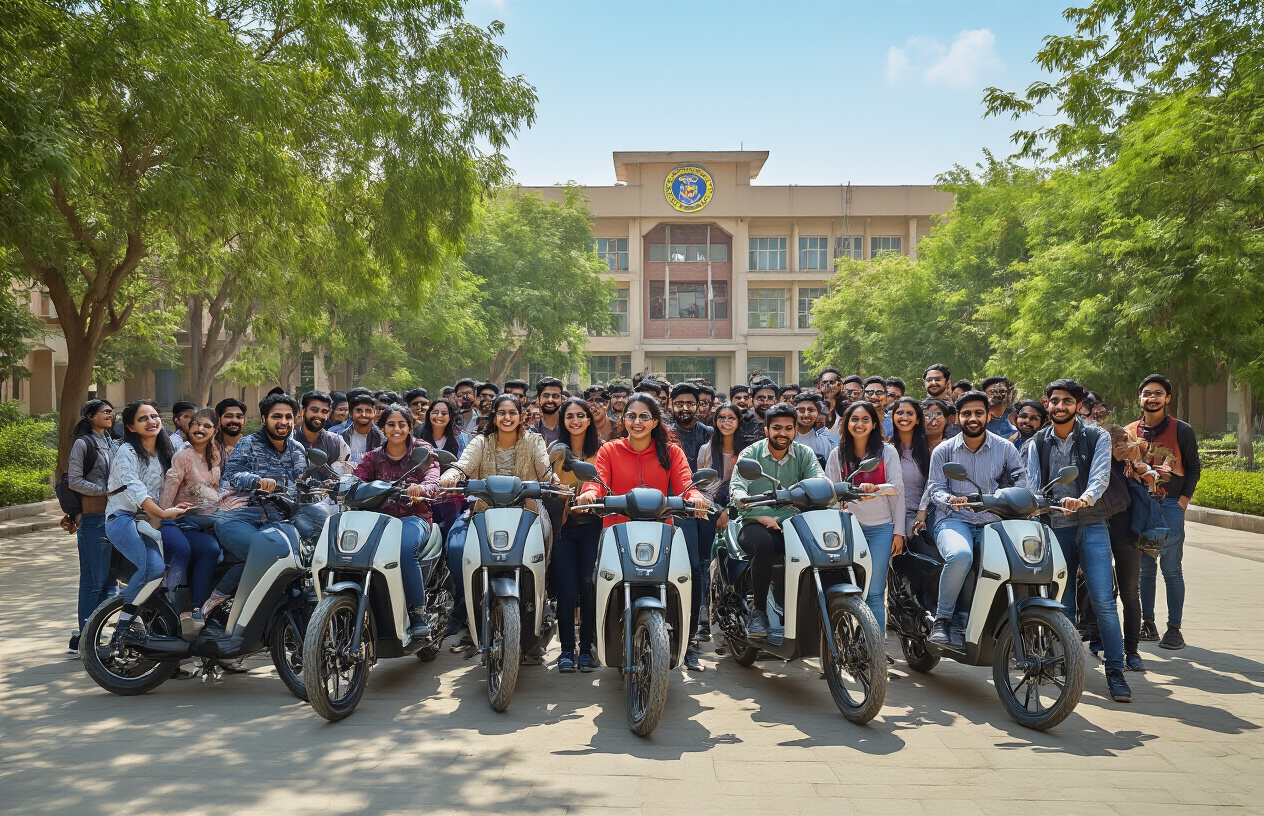
پنجاب حکومت کا یہ قدم طلباء کی تعلیمی سفر میں ایک اہم سنگ میل ہے۔ دس ہزار الیکٹرک بائیکس کا یہ منصوبہ نہ صرف طلباء کو آسان اور سستی نقل و حمل فراہم کرے گا بلکہ ماحولیاتی آلودگی کم کرنے میں بھی مدد کرے گا۔ یہ پیشکش خاص طور پر دور دراز علاقوں کے طلباء کے لیے بہت فائدہ مند ہے جو روزانہ تعلیمی اداروں تک رسائی میں مشکلات کا سامنا کرتے ہیں۔
اگر آپ اس منصوبے کے اہلیت کے معیار پر پورا اترتے ہیں تو فوری طور پر درخواست جمع کروائیں۔ یہ موقع آپ کی تعلیمی زندگی کو آسان بنانے کے ساتھ ساتھ جدید ٹیکنالوجی کا تجربہ بھی فراہم کرے گا۔ حکومت کے اس جدید قدم سے فائدہ اٹھائیں اور اپنے تعلیمی اہداف کی جانب آسانی سے آگے بڑھیں۔
Punjab’s ELECTRIC Revolution: 10,000 Free E-Bikes Set to Transform Student Transportation
Picture this: thousands of students gliding silently through the streets of Punjab on sleek electric bikes, no longer worried about bus fares or the rising cost of petrol. This isn’t a scene from a futuristic movie – it’s the REALITY that Punjab is about to create. The state government has announced an ambitious plan to distribute 10,000 electric bikes to students, marking a significant step towards sustainable transportation & educational accessibility.
This groundbreaking initiative represents more than just free vehicles; it’s a comprehensive approach to solving multiple challenges that students face daily. From the financial burden of transportation costs to the environmental impact of traditional vehicles, this program addresses pressing concerns that have affected student life for years. The announcement has created waves of excitement across educational institutions, with students & parents eagerly waiting for implementation details.
But what makes this program truly SPECIAL? How will it change the way students commute to their colleges & universities? What are the long-term benefits for Punjab’s environment & economy? Throughout this article, we’ll explore every aspect of this revolutionary initiative, from its practical benefits to its potential challenges. We’ll also examine how this bold move positions Punjab as a leader in sustainable development & student welfare programs across India.
Breaking Down the Electric Bike Initiative
The Punjab government’s decision to provide 10,000 electric bikes represents a MASSIVE investment in student welfare & environmental sustainability. This program isn’t just about giving away free vehicles – it’s a carefully planned strategy to address multiple issues simultaneously. Students in Punjab have long struggled with transportation costs, especially those from rural areas who travel significant distances to reach educational institutions.
Electric bikes offer an ideal solution because they’re cost-effective, environmentally friendly, & perfectly suited for short to medium-distance travel. Unlike traditional motorcycles that require expensive petrol & regular maintenance, these e-bikes run on electricity, which costs significantly less. A single charge can typically provide 60-80 kilometers of travel, making them perfect for daily commutes to colleges & universities.
The selection process for these bikes will likely prioritize students from economically disadvantaged backgrounds, ensuring that those who need help the most receive it first. This approach aligns with Punjab’s commitment to educational equity & social justice. The government has indicated that merit-based criteria will also play a role, rewarding academic achievement while supporting financial need.
What makes this initiative particularly INNOVATIVE is its timing. As India pushes toward electric vehicle adoption & carbon neutrality goals, Punjab is positioning itself at the forefront of this transition. By targeting students – who represent the future of the state – the program creates a generation of environmentally conscious citizens who understand the benefits of sustainable transportation from an early age.
Environmental Impact & Sustainability Goals
The environmental implications of this electric bike program extend far beyond simple transportation. Traditional two-wheelers contribute significantly to air pollution, especially in urban areas where traffic congestion is common. By introducing 10,000 electric bikes, Punjab is taking a concrete step toward reducing carbon emissions & improving air quality across the state.
Consider the mathematics: if each electric bike replaces a petrol-powered vehicle that would have traveled 20 kilometers daily, the collective impact becomes ENORMOUS. Over a year, this program could potentially prevent thousands of liters of petrol consumption & reduce carbon dioxide emissions by several tons. This reduction becomes even more significant when considering that students typically use their vehicles for multiple years.
The program also supports India’s national goals for electric vehicle adoption. The central government has set ambitious targets for EV penetration, & state-level initiatives like Punjab’s student program contribute directly to these objectives. By normalizing electric vehicles among young people, the state is building a foundation for broader EV acceptance in the coming decades.
Furthermore, the electricity used to charge these bikes increasingly comes from renewable sources as Punjab expands its solar & wind power capacity. This means the environmental benefits will continue to grow over time. Students using these bikes will essentially be powered by clean energy, creating a truly sustainable transportation ecosystem.
The RIPPLE effect extends to local air quality improvements around educational institutions. Schools & colleges often struggle with air pollution from the numerous vehicles that arrive during peak hours. Electric bikes produce zero direct emissions, meaning campus environments will become cleaner & healthier for everyone.
Economic Benefits for Students & Families
The financial impact of this program on student families cannot be overstated. Transportation costs represent a SIGNIFICANT portion of education-related expenses, often forcing families to make difficult decisions about their children’s schooling. By providing free electric bikes, Punjab is essentially removing a major financial barrier to education.
Let’s examine the real numbers: a typical student might spend 2,000-3,000 rupees monthly on transportation, including bus fares or petrol costs. Over an academic year, this amounts to 20,000-30,000 rupees per student. For families with multiple children in education, these costs can become overwhelming. The electric bikes eliminate these ongoing expenses, allowing families to redirect money toward other educational needs like books, fees, or technology.
The maintenance costs of electric bikes are also dramatically lower than traditional vehicles. Electric motors have fewer moving parts than internal combustion engines, resulting in less frequent repairs & lower service costs. Students won’t need to worry about oil changes, spark plug replacements, or other routine maintenance that petrol vehicles require.
Beyond direct cost savings, these bikes provide ECONOMIC independence for students. They’re no longer dependent on public transportation schedules or family members for rides. This independence can translate into better academic performance, as students can manage their time more effectively & participate in extracurricular activities without worrying about transportation home.
The program also has broader economic implications for Punjab. By supporting student education & reducing dropout rates related to transportation challenges, the state is investing in its future workforce. Better-educated citizens contribute more to the economy, creating a positive cycle that benefits everyone.
Challenges & Implementation Considerations
While the electric bike program offers tremendous benefits, successful implementation requires careful planning & consideration of potential CHALLENGES. One primary concern involves charging infrastructure across Punjab. Students will need reliable access to charging stations, particularly those living in rural areas where electrical infrastructure might be limited.
The government must ensure that adequate charging facilities exist near educational institutions & residential areas. This might require partnerships with private companies or installation of public charging stations. Without proper infrastructure, even the most well-intentioned program can fail to deliver its promised benefits.
Maintenance & repair services represent another crucial consideration. Electric bikes, while generally reliable, do require specialized knowledge for repairs. Punjab will need to ensure that service centers & trained technicians are available across the state. This might involve training programs for existing mechanics or partnerships with electric bike manufacturers.
Security & theft prevention also require attention. Electric bikes are valuable assets that might attract criminal attention. Students will need education about proper security measures, & institutions might need to provide secure parking facilities. Insurance considerations also come into play – who covers theft or damage, & how are replacements handled?
The selection process itself presents CHALLENGES. With only 10,000 bikes available initially & potentially hundreds of thousands of eligible students, fair & transparent selection criteria become crucial. The government must develop clear guidelines that prioritize need while maintaining fairness & preventing corruption.
Finally, student education about electric vehicle operation, charging, & maintenance will be essential. Many young people have never used electric vehicles & will need training to use their bikes safely & effectively.
Looking Toward the Future
Punjab’s electric bike initiative represents just the beginning of what could become a comprehensive transformation of student transportation. If successful, this program could serve as a MODEL for other states across India, potentially leading to national adoption of similar initiatives. The lessons learned from implementation will provide valuable insights for scaling such programs.
The long-term vision extends beyond simply providing transportation. These electric bikes could become part of a larger smart city ecosystem, with GPS tracking for safety, integration with educational apps, or even solar charging stations on campuses. As technology advances, the bikes themselves might incorporate new features that enhance safety & functionality.
This program also positions Punjab’s students to become ambassadors for sustainable transportation. As they graduate & enter the workforce, they’ll carry positive experiences with electric vehicles, potentially influencing their future transportation choices & advocating for environmental responsibility in their communities.
The SUCCESS of this initiative could attract investment in Punjab’s electric vehicle manufacturing & charging infrastructure sectors. Companies might see opportunities to establish operations in a state that demonstrates commitment to EV adoption, creating jobs & economic growth.
Most importantly, this program represents a fundamental shift in how governments think about student support. Rather than simply providing financial aid, Punjab is addressing practical barriers to education while simultaneously advancing environmental goals. This holistic approach to policy-making could inspire similar innovations in other areas.
The 10,000 electric bikes are more than vehicles – they’re symbols of Punjab’s commitment to its young people & its environment. As students begin receiving their bikes in the coming months, they’ll be participating in a historic transition toward sustainable transportation. The SUCCESS of this program won’t just be measured in miles traveled or emissions reduced, but in the opportunities it creates & the future it helps build for Punjab’s next generation.