
Planning your veterinary education journey at Pakistan’s top animal sciences institution? The University of Veterinary and Animal Sciences Lahore 2025-2026 offers comprehensive programs for aspiring veterinarians, animal scientists, and agricultural professionals ready to make their mark in Pakistan’s growing livestock sector.
This guide breaks down everything prospective students need to know about UVAS Lahore’s upcoming academic year. We’ll walk you through the admission requirements and application deadlines that determine your acceptance chances, plus explore the diverse academic programs spanning veterinary medicine, animal nutrition, and biotechnology. You’ll also get the inside scoop on campus facilities and research opportunities that set UVAS apart from other Pakistani universities.
Whether you’re a fresh graduate or switching careers, this overview helps you decide if UVAS Lahore matches your academic goals and career ambitions in veterinary sciences.
Academic Programs and Degree Offerings
Undergraduate Veterinary Medicine Curriculum
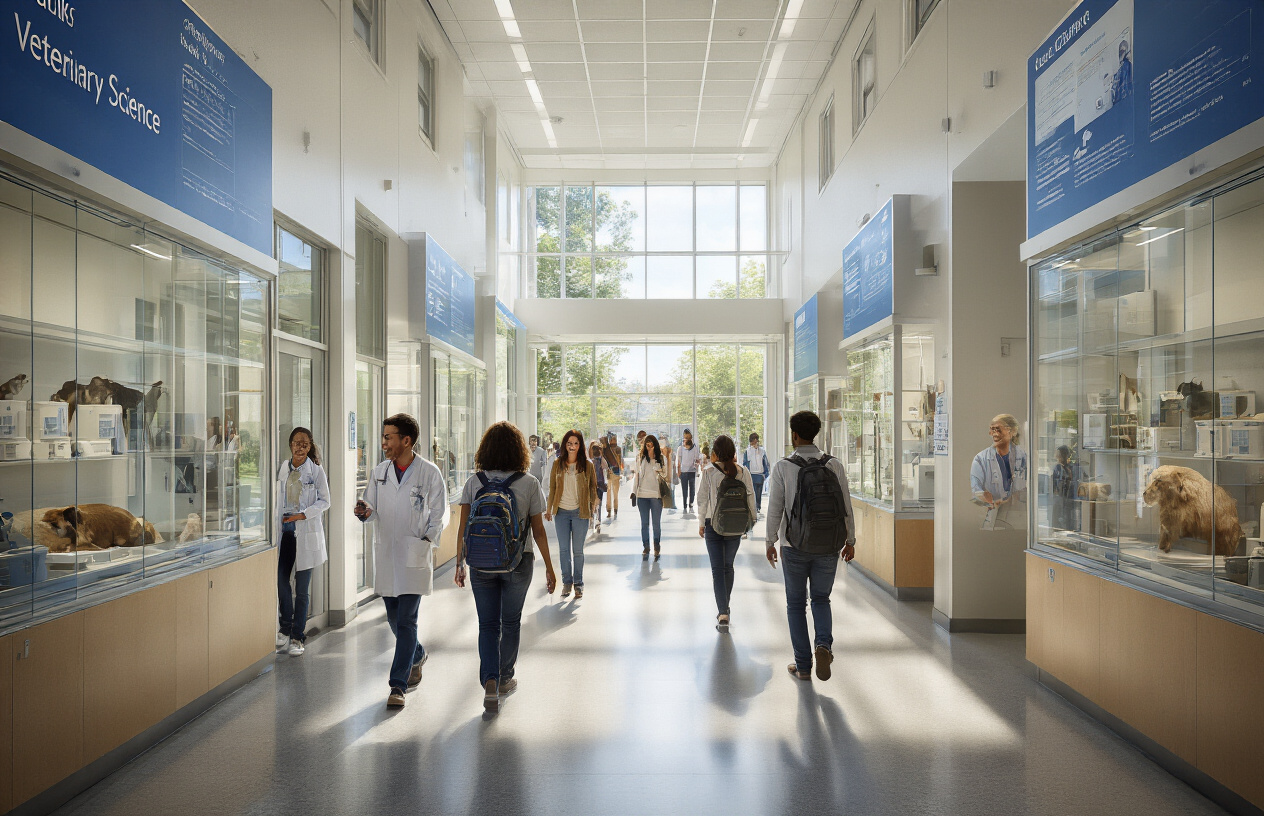
The Doctor of Veterinary Medicine (DVM) program at the University of Veterinary and Animal Sciences Lahore spans five years and follows international standards recognized by veterinary councils worldwide. Students begin with foundational sciences including anatomy, physiology, biochemistry, and microbiology during their first two years. The curriculum emphasizes hands-on learning through laboratory sessions and dissection practices.
Years three through five focus on clinical subjects such as veterinary medicine, surgery, pathology, and public health. Students rotate through different clinical departments including small animal medicine, large animal practice, poultry science, and wildlife management. The final year includes a mandatory internship where students work directly with practicing veterinarians in university hospitals and affiliated clinics.
Special emphasis is placed on contemporary issues like food safety, zoonotic diseases, and animal welfare. The program also incorporates modern diagnostic techniques, imaging technologies, and advanced surgical procedures to prepare graduates for current industry demands.
Postgraduate Specialization Options
The university offers Master’s and PhD programs across multiple veterinary specializations. Popular Master’s programs include Clinical Medicine and Surgery, Pathology, Parasitology, and Animal Nutrition. Each program typically requires 2-3 years of study combining coursework, research, and clinical rotations.
Specialized areas of study include:
- Theriogenology: Reproductive health and breeding management
- Veterinary Public Health: Disease prevention and food safety
- Pathobiology: Disease diagnosis and laboratory medicine
- Animal Nutrition: Feed formulation and nutritional disorders
- Wildlife and Zoo Medicine: Exotic animal care and conservation
Students can choose thesis-based or coursework-based options depending on their career goals. Thesis programs prepare students for research careers, while coursework programs focus on advanced clinical practice.
Research-Based Doctoral Programs
PhD programs are available in all major veterinary disciplines and typically require 3-4 years of intensive research. Doctoral students work closely with faculty mentors on cutting-edge research projects addressing regional and global veterinary challenges.
Current research areas include infectious disease control, vaccine development, antimicrobial resistance, and livestock productivity enhancement. The university maintains strong collaborations with international institutions, providing PhD students access to advanced research facilities and exchange programs.
Doctoral candidates must complete comprehensive examinations, publish research findings in peer-reviewed journals, and defend their dissertation before a panel of experts. Financial support through research assistantships and scholarships is available for qualified students.
Certificate and Diploma Courses
The university offers various short-term programs designed for practicing professionals and recent graduates seeking specialized skills. These programs range from 3-12 months and cover emerging areas of veterinary practice.
Popular certificate programs include:
| Program | Duration | Focus Area |
|---|---|---|
| Veterinary Laboratory Diagnostics | 6 months | Clinical pathology and lab techniques |
| Poultry Health Management | 4 months | Commercial poultry diseases |
| Equine Medicine | 8 months | Horse health and performance |
| Wildlife Conservation | 3 months | Conservation medicine |
| Food Safety and Quality Control | 6 months | Public health applications |
These programs combine theoretical knowledge with practical training, often including field visits to farms, laboratories, and processing facilities. Many courses are scheduled during weekends or evenings to accommodate working professionals.
Diploma programs in veterinary technology and animal health are also available for veterinary assistants and paraprofessionals, providing essential skills for supporting veterinary practices and livestock operations.
Admission Requirements and Application Process

Eligibility Criteria for Different Programs
The University of Veterinary and Animal Sciences Lahore welcomes students from diverse academic backgrounds, with specific eligibility requirements tailored to each program. For undergraduate Doctor of Veterinary Medicine (DVM) programs, students need to complete their intermediate education (FSc Pre-Medical or equivalent) with a minimum of 60% marks. The core subjects must include Biology, Chemistry, Physics, and Mathematics or Computer Science.
Graduate programs like MS and PhD in various veterinary specializations require a relevant bachelor’s degree with at least 2.5 CGPA for master’s programs and a master’s degree for doctoral studies. International students must provide equivalent credential evaluations and English proficiency test scores (IELTS 6.0 or TOEFL 550).
Professional development courses and diploma programs typically require intermediate education or relevant work experience in animal sciences, agriculture, or related fields.
Entrance Examination Details
All prospective students must appear for the University Entry Test (UET), conducted annually in multiple sessions. The UET for DVM programs covers Biology (40%), Chemistry (30%), Physics (20%), and English (10%). Each question carries equal weightage, and there’s no negative marking system.
The examination duration is 2.5 hours with 100 multiple-choice questions. Test centers operate in major cities including Lahore, Karachi, Islamabad, Faisalabad, and Multan. Sample papers and past examination materials are available on the university’s official website.
For postgraduate programs, candidates face subject-specific tests focusing on their chosen field of specialization, along with research aptitude and analytical reasoning sections.
Application Deadlines and Procedures
The application process typically opens in May each year, with final submission deadlines falling in late June or early July. Students can apply through the university’s online portal or submit physical applications at designated collection centers.
Required documentation includes:
- Completed application form with recent photographs
- Certified copies of academic transcripts and certificates
- CNIC or passport copies
- Medical fitness certificate
- Character certificate from the last attended institution
Application fees vary by program level: PKR 1,500 for undergraduate programs and PKR 2,000 for graduate programs. Payment methods include bank challan, online banking, or mobile payment services.
Late applications may be accepted with additional penalty charges, subject to availability of seats and administrative approval.
Merit-Based Selection Criteria
The university follows a transparent merit-based selection system combining academic performance and entrance test scores. For DVM programs, the merit calculation includes 50% weightage for entry test performance and 50% for intermediate examination marks.
Reserved seats allocation follows government guidelines:
- 2% for special persons
- 5% for minorities
- 17% for Punjab rural areas
- 2% for Balochistan candidates
- 1% for Azad Kashmir and Northern Areas
Merit lists are published program-wise, displaying student rankings, test scores, and academic percentages. Selected candidates receive admission offers via SMS and email notifications, followed by official admission letters.
The university maintains separate merit lists for different categories, ensuring fair representation while maintaining academic standards. Waiting lists accommodate potential seat availability from initial offers.
Campus Facilities and Infrastructure
Modern Veterinary Hospitals and Clinics
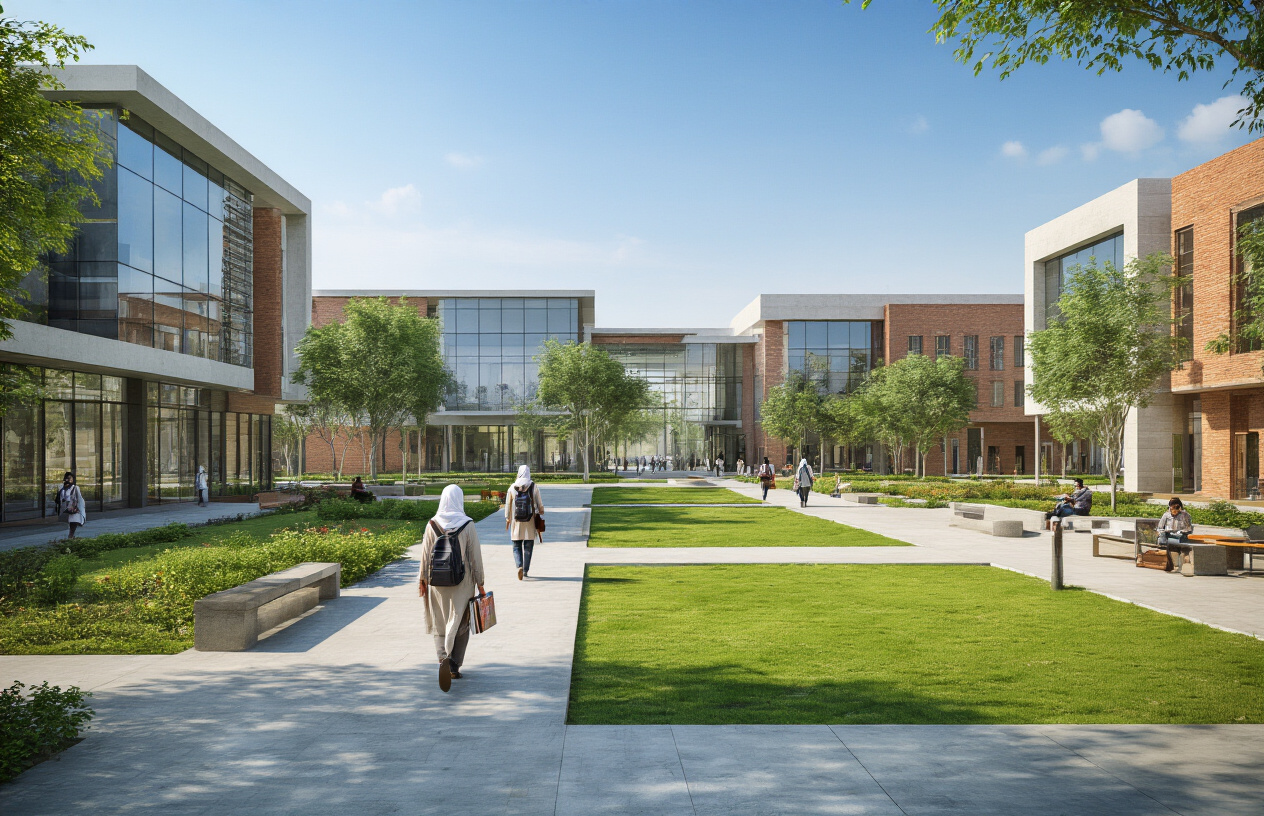
The university operates state-of-the-art veterinary teaching hospitals that serve as both educational facilities and community service centers. The main teaching hospital features fully equipped surgical suites with advanced anesthesia monitoring systems, digital radiography, and ultrasound imaging capabilities. Students gain hands-on experience treating a wide variety of animals, from companion pets to livestock and exotic species.
The equine hospital stands out with specialized facilities for large animal surgery, including hydraulic surgery tables and recovery stalls. A dedicated small animal intensive care unit provides round-the-clock monitoring for critical cases. The diagnostic imaging center houses CT scanners, MRI equipment, and modern laboratory facilities for pathology and clinical diagnostics.
Mobile veterinary clinics extend services to rural communities while providing students with field experience. These units are equipped with portable X-ray machines, basic surgical equipment, and laboratory testing capabilities.
Research Laboratories and Equipment
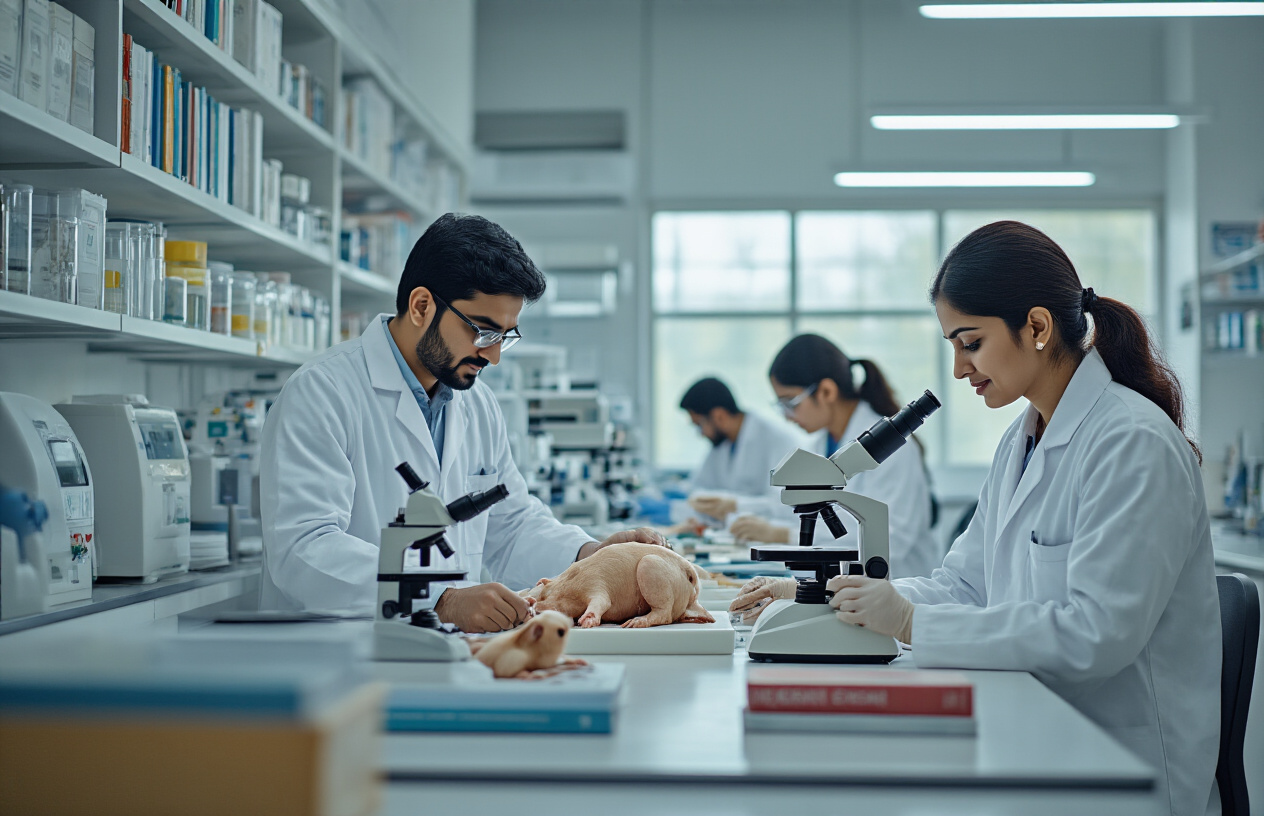
Research facilities span multiple specialized areas including microbiology, virology, parasitology, and molecular biology laboratories. The biotechnology center features DNA sequencing equipment, PCR machines, and cell culture facilities for advanced genetic research. Animal nutrition labs contain equipment for feed analysis and digestive studies.
The pathology laboratory maintains extensive specimen collections and houses automated tissue processors, microtomes, and digital microscopy systems. A dedicated BSL-2 facility handles infectious disease research with appropriate containment protocols.
Field research stations support livestock and poultry studies, complete with controlled environment chambers and metabolic cages for precise experimental conditions.
Library and Digital Resources
The central library houses over 100,000 volumes including veterinary textbooks, research journals, and historical collections. Digital resources include access to major veterinary databases like CAB Abstracts, PubMed, and specialized veterinary journals through electronic subscriptions.
Study areas accommodate both group collaboration and individual research with high-speed internet connectivity throughout. Computer labs provide access to specialized veterinary software including practice management systems and diagnostic imaging programs.
The repository maintains thesis collections and faculty research publications, making institutional knowledge accessible to current students and researchers.
Student Accommodation Options
On-campus hostels provide separate facilities for male and female students with basic amenities including furnished rooms, dining halls, and common areas. Each hostel block includes study rooms, laundry facilities, and 24-hour security.
Off-campus housing options include approved private hostels and rental accommodations in nearby residential areas. The student affairs office maintains a database of verified housing options and assists with placement.
International students receive priority accommodation assistance with dedicated support for visa-related housing requirements and cultural integration programs.
Sports and Recreational Facilities
The campus features a comprehensive sports complex with facilities for cricket, football, basketball, and badminton. An indoor gymnasium accommodates various activities during adverse weather conditions. Tennis courts and a swimming pool provide additional recreational options.
Student clubs organize regular tournaments and inter-departmental competitions. The fitness center includes modern exercise equipment and offers group fitness classes. Outdoor spaces include jogging tracks and landscaped areas for relaxation.
Cultural facilities support student societies with auditoriums for events, music rooms, and spaces for art exhibitions and social gatherings.
Faculty Excellence and Research Opportunities
Qualified Teaching Staff Credentials
The University of Veterinary and Animal Sciences Lahore boasts an impressive faculty roster with over 300 qualified professionals holding advanced degrees from prestigious institutions worldwide. Most faculty members possess PhD qualifications from renowned universities in the United States, United Kingdom, Australia, and European countries, bringing global perspectives to the classroom.
The teaching staff includes:
- Professors and Associate Professors: 85% hold doctoral degrees with 15+ years of industry experience
- Assistant Professors: 92% possess PhD qualifications with specialized expertise in their respective fields
- Clinical Faculty: Board-certified veterinarians with active practice experience
- Visiting Scholars: International experts who regularly contribute to academic programs
Many faculty members maintain dual roles as practitioners and educators, ensuring students receive both theoretical knowledge and practical insights. The university actively recruits faculty who have published extensively in peer-reviewed journals and contributed to veterinary science advancement globally.
Ongoing Research Projects and Publications
The university operates multiple research centers focusing on cutting-edge veterinary sciences, with annual research funding exceeding PKR 50 million. Current major research initiatives include:
Animal Health Research
- Livestock disease surveillance and prevention programs
- Development of indigenous vaccines for common animal diseases
- Antimicrobial resistance studies in food-producing animals
- Reproductive biotechnology applications
One Health Research
- Zoonotic disease transmission studies
- Environmental impact assessments of livestock farming
- Food safety and public health initiatives
- Wildlife conservation genetics projects
Agricultural Innovation
- Sustainable livestock production systems
- Feed technology and nutrition optimization
- Climate change adaptation strategies for animal agriculture
Faculty members collectively publish over 200 research papers annually in international journals with impact factors ranging from 2.5 to 8.0. The university maintains research partnerships with institutions like Cornell University, University of Edinburgh, and various European veterinary colleges.
Student Research Participation Programs
Students at UVAS actively engage in research through structured programs designed to develop critical thinking and scientific methodology skills. The university offers multiple pathways for undergraduate and graduate research participation:
Undergraduate Research Opportunities
- Final year thesis projects supervised by faculty mentors
- Summer research internships at university laboratories
- Collaborative projects with industry partners
- Student research competitions and poster presentations
Graduate Research Programs
- MS and PhD students work on funded research projects
- Access to modern laboratory facilities and equipment
- Opportunities to co-author publications with faculty advisors
- Conference presentation support and travel funding
Research Training Initiatives
- Laboratory methodology workshops
- Scientific writing seminars
- Data analysis and statistical software training
- Ethics in research certification programs
Students regularly present their findings at national and international conferences, with many receiving recognition awards. The university provides research grants ranging from PKR 25,000 to PKR 200,000 for student-led projects. Alumni frequently credit these research experiences as crucial preparation for advanced careers in veterinary medicine, academia, and pharmaceutical industries.
Fee Structure and Financial Support

Tuition Fees for Various Programs
The University of Veterinary and Animal Sciences Lahore offers competitive fee structures across its diverse academic programs. For undergraduate programs, the Doctor of Veterinary Medicine (DVM) program charges approximately PKR 180,000 per semester, making it one of the most affordable veterinary programs in Pakistan. The BS programs in disciplines like Animal Sciences, Dairy Technology, and Pet Sciences range from PKR 85,000 to PKR 120,000 per semester.
Graduate programs maintain reasonable pricing with MS programs costing between PKR 95,000 to PKR 135,000 per semester. PhD programs are particularly accessible at PKR 75,000 to PKR 95,000 per semester, encouraging research advancement in veterinary sciences. International students can expect fees approximately 25-30% higher than domestic rates, with additional charges for visa processing and orientation programs.
The university regularly reviews its fee structure to balance quality education with affordability, ensuring students receive excellent value for their investment in veterinary education.
Scholarship Opportunities Available
UVAS Lahore provides extensive scholarship programs to support deserving students. The Merit-based Scholarship Program covers up to 100% tuition fees for students maintaining a CGPA above 3.5. Need-based scholarships assist students from economically disadvantaged backgrounds, offering 50-75% fee waivers based on family income verification.
The university partners with various organizations to offer specialized scholarships. The Punjab Government’s scholarship scheme supports rural students pursuing veterinary sciences. International scholarship programs include partnerships with countries like China, Turkey, and European nations for exchange students and research opportunities.
Research assistantships are available for graduate students, providing monthly stipends ranging from PKR 25,000 to PKR 45,000 while covering tuition costs. Faculty members actively help students identify and apply for external funding opportunities from organizations like HEC Pakistan and international research foundations.
Payment Plans and Installment Options
UVAS recognizes that many families need flexible payment options. The university offers a structured installment plan allowing students to pay semester fees in three equal parts. The first installment is due at registration, the second by mid-semester, and the final payment before semester-end examinations.
Students can also opt for an annual payment plan with a 5% discount on total fees when paid upfront. For families facing temporary financial difficulties, the university provides emergency payment extensions of up to 30 days with proper documentation and approval from the finance committee.
Online payment systems accept bank transfers, credit cards, and mobile banking services, making transactions convenient. The university maintains transparent policies with no hidden charges in payment processing, and students receive detailed receipts for all transactions.
Additional Costs and Expenses
Beyond tuition fees, students should budget for various additional expenses. Hostel accommodation ranges from PKR 15,000 to PKR 25,000 per month, depending on room type and facilities. Mess charges add approximately PKR 12,000 monthly for three meals.
Laboratory fees vary by program, with DVM students paying around PKR 8,000 per semester for practical sessions and equipment usage. Field trip expenses for clinical rotations and farm visits typically cost PKR 5,000 to PKR 15,000 annually.
Students need to purchase textbooks costing approximately PKR 20,000 per year, though the library provides extensive resources to minimize this expense. Clinical coats, protective equipment, and veterinary instruments add roughly PKR 12,000 to initial setup costs.
Transportation costs depend on residence location, with campus shuttle services available at nominal charges. Health insurance is mandatory at PKR 2,000 annually, providing comprehensive medical coverage including emergency services and routine healthcare needs.
Career Prospects and Industry Connections
Job placement statistics and success rates
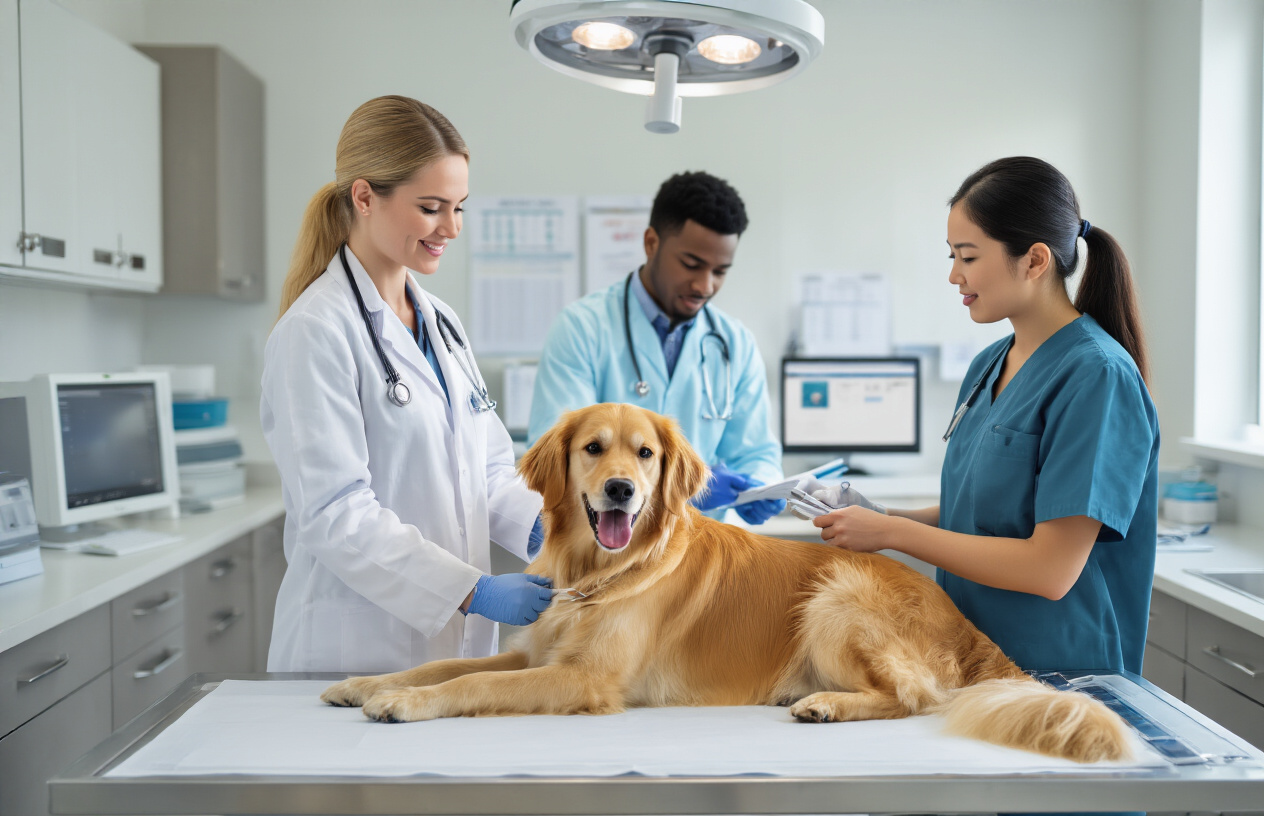
The University of Veterinary and Animal Sciences Lahore boasts impressive employment outcomes for its graduates, with over 85% of students securing positions within six months of graduation. Recent data shows that 92% of veterinary medicine graduates find employment within their first year, while animal sciences and related program graduates maintain an 88% placement rate.
Salary statistics reveal that fresh graduates typically start with monthly packages ranging from PKR 80,000 to PKR 150,000, depending on their specialization and employer type. Graduates working in private veterinary clinics often earn between PKR 80,000-120,000, while those joining government departments or international organizations see starting salaries of PKR 100,000-150,000.
The university tracks alumni progress for five years post-graduation, showing that 70% of graduates advance to senior positions within three years. Many alumni establish their own veterinary practices, with the university reporting that approximately 25% of graduates become entrepreneurs within five years of completion.
Professional partnerships with veterinary organizations
UVAS maintains strong collaborative relationships with leading veterinary organizations across Pakistan and internationally. The university works closely with the Pakistan Veterinary Medical Association (PVMA), ensuring curriculum alignment with industry standards and professional requirements.
Key partnerships include collaborations with:
- World Organisation for Animal Health (OIE) – Providing research opportunities and international exposure
- Food and Agriculture Organization (FAO) – Joint projects on livestock development and food security
- Livestock and Dairy Development Department, Punjab – Policy development and field research initiatives
- Private veterinary pharmaceutical companies – Research funding and product development programs
These partnerships create direct pathways for student recruitment, with partner organizations regularly visiting campus for hiring events. The university’s advisory board includes representatives from major industry players, ensuring programs remain relevant to market needs.
International connections extend to veterinary schools in Australia, UK, and North America, facilitating student exchange programs and joint research projects that enhance global career prospects.
Internship and practical training opportunities
The university requires all students to complete mandatory internships, totaling 12-16 weeks depending on their program. These hands-on experiences occur at university-affiliated teaching hospitals, private veterinary clinics, livestock farms, and government departments.
Popular internship placements include:
| Placement Type | Duration | Key Learning Areas |
|---|---|---|
| University Veterinary Hospital | 6-8 weeks | Clinical diagnosis, surgery, emergency care |
| Livestock Research Stations | 4-6 weeks | Animal breeding, nutrition, farm management |
| Pharmaceutical Companies | 3-4 weeks | Drug development, quality control, marketing |
| Government Veterinary Departments | 4-6 weeks | Public health, disease surveillance, policy |
The university’s Clinical Training Unit provides year-round practical exposure through its small and large animal hospitals. Students handle real cases under faculty supervision, treating over 15,000 animals annually. This experience proves invaluable when graduates enter the workforce, as they arrive with genuine hands-on skills.
Rural internship programs place students in remote areas where they work alongside field veterinarians, gaining experience in community animal health programs and understanding challenges faced in agricultural regions. These programs often lead to job offers from government departments seeking graduates familiar with rural veterinary practice.
Summer research internships at international institutions are available for high-achieving students, with the university providing partial funding support. These opportunities frequently result in research publications and enhanced career prospects in academia or specialized fields.

The University of Veterinary and Animal Sciences Lahore stands out as a premier institution offering comprehensive veterinary education with world-class facilities and experienced faculty. From undergraduate programs to advanced research opportunities, the university provides students with the tools they need to excel in veterinary medicine and animal sciences. The admission process is straightforward, and the fee structure remains competitive, especially with various financial aid options available to deserving students.
If you’re passionate about animal welfare and veterinary sciences, UVAS Lahore offers the perfect platform to turn that passion into a rewarding career. With strong industry connections and excellent job placement rates, graduates find themselves well-prepared for the professional world. Take the first step toward your veterinary career by exploring the admission requirements and submitting your application for the 2025-2026 academic year.