
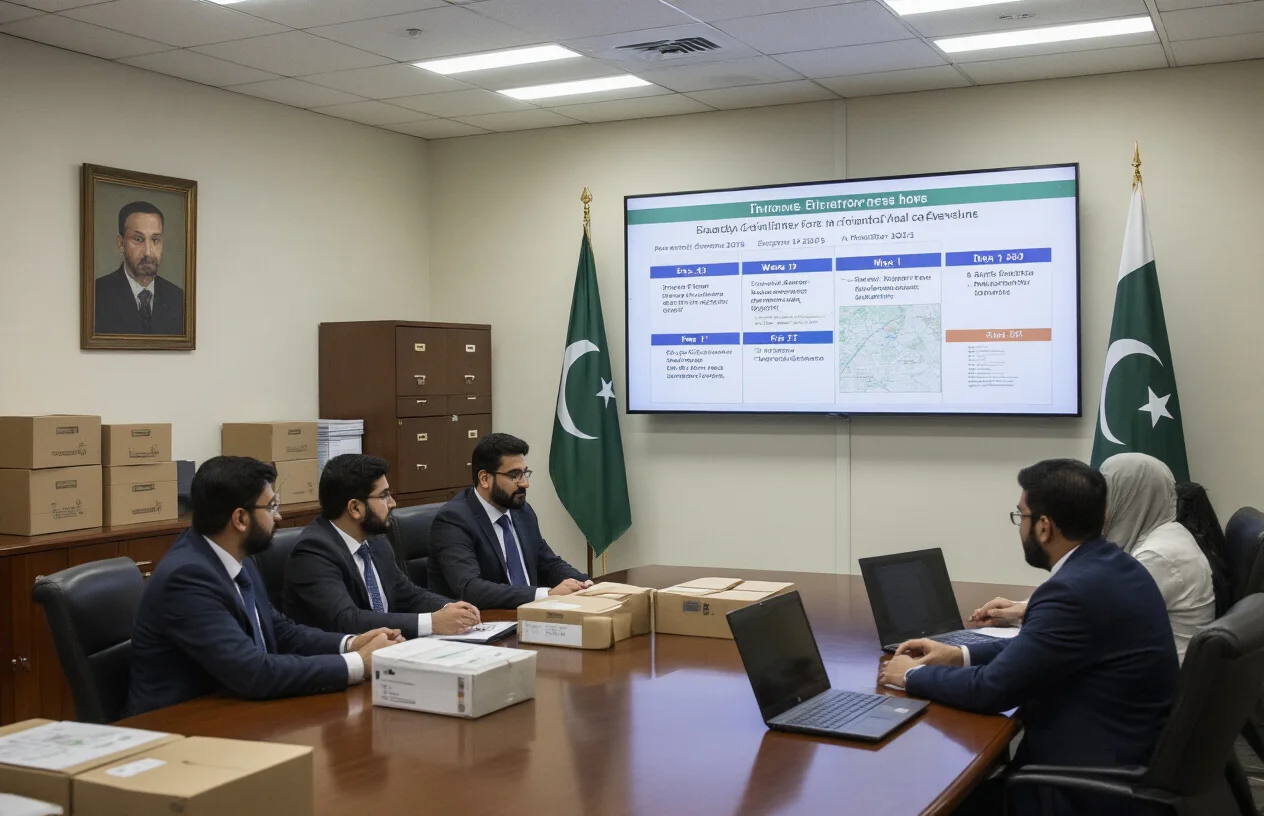
The Prime Minister’s Laptop Scheme 2026 brings exciting opportunities for Pakistani students and professionals who need technology access for education and career growth. This comprehensive laptop distribution program Pakistan aims to bridge the digital divide by providing free laptops to eligible citizens across the country.
This guide is designed for students, fresh graduates, and young professionals who want to understand how this government initiative can benefit them. You’ll discover everything you need to know about the PM laptop scheme eligibility criteria, from basic requirements to income thresholds that determine who qualifies.
We’ll walk you through the complete free laptop scheme application process, breaking down each step so you can submit your application without confusion. You’ll also learn about the PM laptop scheme technical specifications to understand exactly what hardware you’ll receive and how it can support your educational or professional goals.
By the end of this article, you’ll have a clear roadmap for applying to this government laptop scheme and know what documentation you need to prepare for a successful application.
Key Features and Benefits of the Laptop Distribution Program

Free laptop allocation for eligible students and professionals
The Prime Minister laptop scheme 2026 stands out as a groundbreaking initiative that provides completely free laptops to qualifying individuals across Pakistan. Students pursuing higher education, young professionals entering the workforce, and skilled workers looking to upgrade their digital capabilities can access modern computing devices without any financial burden. The government laptop scheme benefits extend beyond simple hardware distribution, creating a comprehensive support system that includes warranty coverage, technical support, and software licensing.
Recipients receive brand-new laptops equipped with genuine operating systems, productivity software, and educational applications. The program covers maintenance costs for the first two years, ensuring beneficiaries can focus on learning and skill development rather than worrying about repair expenses. This approach eliminates the digital divide that often prevents talented individuals from accessing technology-driven opportunities due to economic constraints.
Enhanced digital literacy and skill development opportunities
The laptop distribution program Pakistan transforms basic computer access into a catalyst for comprehensive skill development. Each laptop comes pre-loaded with specialized training modules, online learning platforms, and certification programs designed to build marketable digital skills. Beneficiaries gain access to coding bootcamps, graphic design workshops, digital marketing courses, and data analysis training programs.
Professional development pathways include partnerships with leading technology companies, freelancing platforms, and educational institutions. Recipients can participate in virtual internships, remote work opportunities, and skill-based competitions that open doors to career advancement. The program includes monthly webinars, peer networking sessions, and mentorship programs that connect beneficiaries with industry experts and successful alumni.
Language learning software, financial literacy applications, and entrepreneurship resources provide additional value beyond technical skills. These comprehensive educational tools help users develop well-rounded capabilities that increase their competitiveness in both local and international job markets.
Improved access to online education and remote work capabilities
Modern education increasingly relies on digital platforms, making laptop access essential for academic success. The PM laptop scheme 2026 ensures students can participate fully in online classes, access digital libraries, complete research projects, and submit assignments electronically. High-quality video conferencing capabilities enable seamless participation in virtual lectures, group discussions, and collaborative projects.
Remote work opportunities become accessible to beneficiaries who previously lacked the necessary technology. Freelancers can bid on international projects, participate in virtual teams, and deliver professional services from anywhere in the country. The laptops support multiple productivity applications, cloud storage solutions, and communication tools that meet modern workplace requirements.
Distance learning programs, professional certifications, and skill-based courses become readily available through the laptop distribution program. Students in remote areas gain equal access to educational resources previously limited to urban centers, creating more equitable learning opportunities across different geographical regions.
Economic empowerment through technology accessibility
The government laptop distribution 2026 initiative creates direct pathways to economic improvement for recipients and their families. Access to modern technology enables individuals to start online businesses, offer digital services, and participate in the growing e-commerce sector. Many beneficiaries develop income-generating skills in web development, content creation, digital marketing, and online tutoring.
Entrepreneurial opportunities multiply when individuals can access global markets through their laptops. E-commerce platforms, social media marketing, and digital payment systems become accessible tools for business development. The program includes training on business planning, financial management, and digital marketing strategies that help recipients build sustainable income streams.
Long-term economic benefits include improved job prospects, higher earning potential, and increased financial stability. Recipients often report significant salary increases after developing new skills, while others successfully transition to full-time freelancing or entrepreneurship. The multiplier effect extends to families and communities as beneficiaries share knowledge and create local employment opportunities.
Eligibility Criteria and Application Requirements

Income-based Qualification Thresholds for Applicants
The PM laptop scheme 2026 eligibility criteria centers around specific income brackets designed to support students from economically disadvantaged backgrounds. Families with a combined monthly income not exceeding PKR 45,000 automatically qualify for the program. This threshold represents a significant increase from previous years, reflecting current inflation rates and economic conditions across Pakistan.
Students from families earning between PKR 45,001 to PKR 60,000 monthly may still qualify under special circumstances, particularly if they demonstrate exceptional academic performance or belong to minority communities. The government has also introduced a sliding scale system where families earning slightly above the primary threshold can receive partial support through installment-based laptop distribution.
Documentation for income verification includes salary certificates from employers, business registration documents for self-employed individuals, and tax returns from the previous two years. Bank statements covering the last six months provide additional verification, ensuring the laptop distribution program Pakistan reaches genuinely deserving candidates.
Rural applicants benefit from relaxed income verification processes, recognizing the informal nature of agricultural and small-scale business income in these areas. Local union council chairpersons can provide income attestation letters for families engaged in farming or traditional occupations where formal documentation may not exist.
Educational Institution Enrollment Verification Process
Active enrollment in recognized educational institutions forms the cornerstone of PM laptop scheme application requirements. Students must be enrolled in undergraduate, graduate, or professional degree programs at universities, colleges, or technical institutes approved by the Higher Education Commission (HEC) or relevant provincial education boards.
The verification process requires original enrollment letters from institutional registrars, current semester fee receipts, and student ID cards. Distance learning students and those enrolled in online degree programs through recognized institutions also qualify, provided their programs carry HEC accreditation.
Institutional coordinators play a crucial role in the verification process. Each participating educational institution appoints dedicated coordinators who maintain updated student databases and facilitate the application screening process. These coordinators verify academic records, confirm active enrollment status, and submit consolidated applications to provincial education departments.
Transfer students must provide additional documentation, including transfer certificates from previous institutions and official transcripts. Students who have taken study breaks or medical leaves within the past two years need clearance certificates from their institutions explaining the circumstances and confirming their return to active study status.
Age Restrictions and Priority Categories for Distribution
The Prime Minister laptop scheme 2026 establishes clear age parameters to ensure fair distribution across different educational levels. Undergraduate students aged 18-25 years receive highest priority, while graduate students up to age 30 can apply under the extended eligibility framework.
Professional degree students in medicine, engineering, and law programs benefit from relaxed age restrictions, with the upper limit extended to 32 years, recognizing the longer duration of these specialized programs. PhD scholars and research students face no age restrictions, reflecting the government’s commitment to supporting advanced research and academic excellence.
Priority categories include female students, who receive 60% quota allocation across all provinces, ensuring gender balance in technology access. Students from tribal areas, Gilgit-Baltistan, and Azad Kashmir receive additional priority points during the selection process.
Orphaned students and those from single-parent households automatically qualify for priority consideration, regardless of slight variations in income thresholds. Students with disabilities receive dedicated quota allocations with specially configured laptops featuring accessibility software and hardware modifications as needed.
Merit-based priority considers academic performance, with students maintaining CGPA above 3.0 receiving preference during the final selection rounds. Provincial quotas ensure equitable distribution, with each province receiving allocations based on student population and educational infrastructure development needs.
Technical Specifications and Hardware Details
Laptop models and performance capabilities included
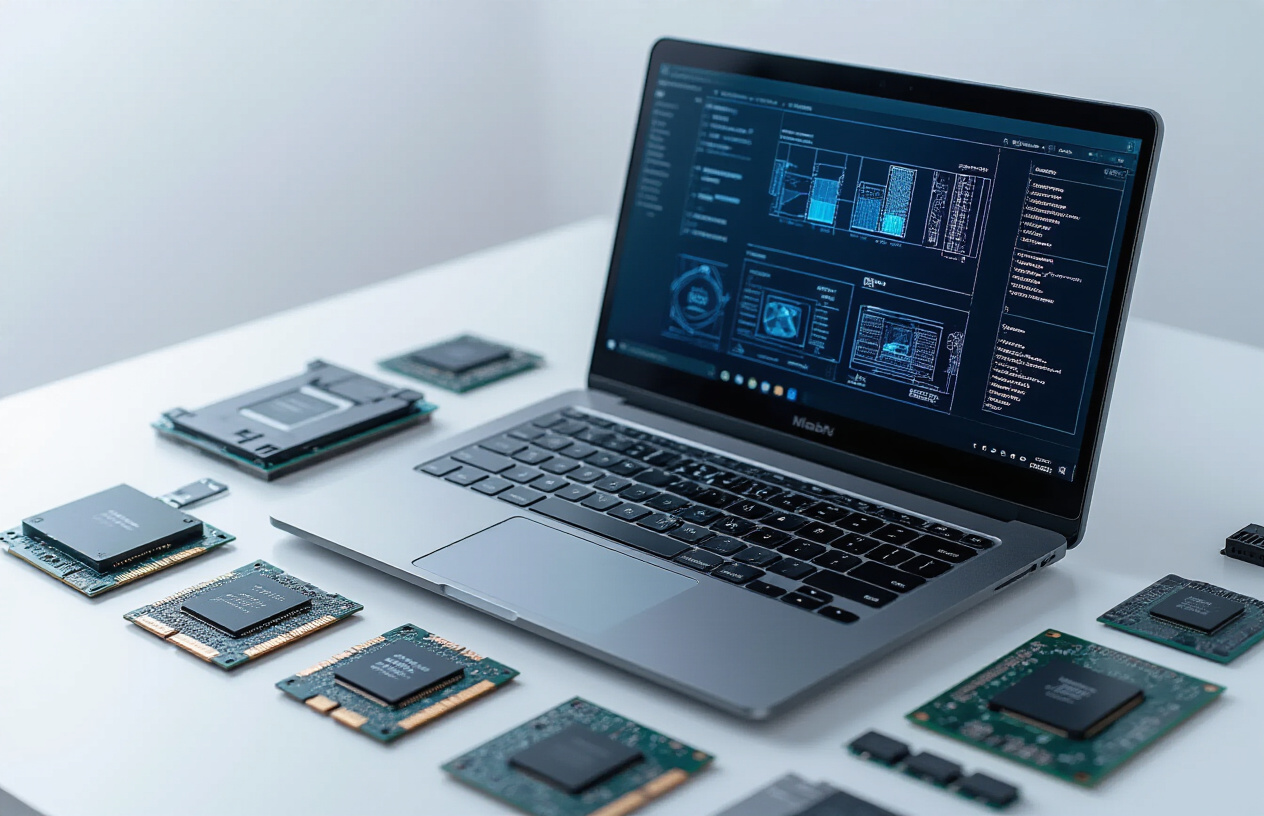
The Prime Minister laptop scheme 2026 will feature a carefully curated selection of high-performance laptops designed to meet the academic and professional needs of Pakistani students. The program includes three distinct laptop categories to accommodate different educational levels and requirements.
Entry-Level Configuration
Students pursuing undergraduate programs will receive laptops equipped with Intel Core i3 11th generation processors, 8GB RAM, and 256GB SSD storage. These machines offer reliable performance for everyday computing tasks including document processing, web browsing, video conferencing, and basic programming assignments.
Mid-Range Configuration
Graduate students and those enrolled in technical programs get access to laptops featuring Intel Core i5 processors, 16GB RAM, and 512GB SSD storage. These systems handle demanding applications like statistical software, CAD programs, and multimedia editing tools with ease.
High-Performance Configuration
PhD students and those pursuing engineering or computer science degrees receive premium laptops with Intel Core i7 processors, 16GB RAM, 1TB SSD storage, and dedicated graphics cards. These powerful machines support advanced computational tasks, research applications, and professional-grade software development.
All laptop models include:
- Full HD displays with anti-glare coating
- Backlit keyboards for comfortable typing
- Long-lasting batteries (8+ hours usage)
- Multiple USB ports and HDMI connectivity
- Built-in webcams and microphones for online learning
Pre-installed software packages and educational tools
Each laptop comes loaded with comprehensive software packages specifically chosen to support academic success across various disciplines. The PM laptop scheme technical specifications ensure students have immediate access to essential tools without additional costs.
Operating System and Productivity Suite
- Windows 11 Education Edition with enhanced security features
- Microsoft Office 365 Education (Word, Excel, PowerPoint, Teams)
- PDF readers and document management tools
- Cloud storage integration for seamless file access
Educational and Development Tools
- Programming environments including Python, Java, and C++ compilers
- MATLAB Student Edition for engineering and mathematics students
- Statistical software packages (SPSS, R Studio)
- Language learning applications with offline capabilities
- Digital libraries and research databases access
Security and Maintenance Software
- Antivirus protection with regular updates
- System optimization and maintenance tools
- Backup and recovery solutions
- Parental controls and time management applications
Specialized Applications by Field
- CAD software for engineering students
- Graphic design tools for arts and media students
- Scientific calculators and simulation software
- Medical reference applications for health science students
Warranty coverage and technical support provisions
The laptop distribution program Pakistan includes comprehensive warranty coverage and support services to protect students’ investments and ensure uninterrupted learning experiences.
Warranty Coverage Details
- 3-year comprehensive hardware warranty covering all components
- Accidental damage protection for the first two years
- Battery replacement guarantee for degraded performance
- Screen replacement coverage for manufacturing defects
- Free repair services at authorized service centers nationwide
Technical Support Services
Students receive multi-channel technical support including:
- 24/7 helpline staffed by certified technicians
- Online chat support through dedicated portal
- Video troubleshooting sessions for complex issues
- On-campus support visits for participating universities
- Remote desktop assistance for software-related problems
Service Center Network
The program establishes service centers in major cities including Karachi, Lahore, Islamabad, Peshawar, and Quetta. Mobile service units will visit remote areas monthly to provide on-site repairs and maintenance.
Replacement Policy
Students can request replacement laptops if:
- Hardware failures occur within the first six months
- Repeated repairs don’t resolve persistent issues
- Devices are lost due to natural disasters or theft (with proper documentation)
Internet connectivity solutions and data packages
Recognizing that laptop access alone doesn’t guarantee educational success, the government laptop scheme benefits include comprehensive internet connectivity solutions to bridge the digital divide.
Mobile Data Packages
Each laptop recipient receives:
- 50GB monthly high-speed data allocation
- Unlimited access to educational websites and platforms
- Free video conferencing for online classes
- Priority network access during peak hours
- Rollover data allowances up to 25GB monthly
WiFi Hotspot Devices
Students in areas with limited internet infrastructure receive portable WiFi devices featuring:
- 4G LTE connectivity with nationwide coverage
- Battery life supporting 8+ hours of continuous use
- Ability to connect up to 5 devices simultaneously
- Parental controls and usage monitoring
University Partnership Program
The initiative includes partnerships with educational institutions to:
- Provide free campus-wide WiFi access
- Establish computer labs with high-speed internet
- Create dedicated study spaces with charging stations
- Offer technical training workshops for students and faculty
Rural Connectivity Solutions
For students in remote areas, the program provides:
- Satellite internet access points in community centers
- Solar-powered charging stations for device maintenance
- Traveling tech support teams for regular maintenance
- Digital literacy training programs for entire communities
The connectivity package also includes access to educational content that can be downloaded for offline use, ensuring learning continues even during internet outages or in areas with poor connectivity.
Application Process and Documentation Steps

Online Registration Portal Navigation Guide
The PM laptop scheme 2026 application process begins with accessing the official government portal specifically designed for the laptop distribution program Pakistan. Navigate to the designated website by searching for the official Prime Minister’s laptop scheme portal or accessing it through the government’s main website directory.
Once you reach the homepage, look for the “Apply Now” or “New Registration” button prominently displayed on the main interface. The portal features a user-friendly dashboard with clear navigation menus including Application Form, Document Upload, Status Check, and Help sections.
Start by creating your user account using a valid email address and mobile number. The system will send a verification code to both your email and phone for authentication. After verification, you’ll access the main application dashboard where you can begin filling out the comprehensive application form.
The portal automatically saves your progress, allowing you to complete the application in multiple sessions. Pay special attention to the progress bar at the top of the page, which shows completion percentage and highlights any missing mandatory fields in red.
Required Documents and Verification Procedures
The PM laptop scheme documentation requirements are comprehensive and strictly enforced. Prepare these essential documents before starting your online application:
Academic Documents:
- Original transcripts and certificates from your current educational institution
- Degree verification letter from Higher Education Commission (HEC)
- Enrollment verification letter with current semester details
- Academic performance records showing minimum required GPA or percentage
Identity and Residence Verification:
- Valid National Identity Card (CNIC) or B-Form for applicants under 18
- Domicile certificate from relevant district administration
- Utility bills (electricity, gas, or water) not older than three months
- Bank account statement or passbook copy
Financial Documentation:
- Family income certificate from relevant authorities
- Tax returns or salary certificates of breadwinners
- Poverty certificate if applicable from local government
- Affidavit declaring total household income
The verification process involves multiple stages. Digital document scanning occurs first, followed by physical verification at designated centers. Ensure all documents are clear, legible, and match the information provided in your application form. Any discrepancies will result in application rejection.
Timeline for Application Submission and Review
The Prime Minister laptop program timeline follows a structured schedule throughout 2026. Applications typically open in February and remain active for approximately 45 days. This window allows sufficient time for document preparation and submission.
Phase 1: Application Period (February 1 – March 15, 2026)
- Online portal opens for new registrations
- Document upload and verification begins
- Initial screening of applications starts
Phase 2: Review and Verification (March 16 – April 30, 2026)
- Comprehensive document verification
- Academic record validation with institutions
- Income and eligibility assessment
- Background verification process
Phase 3: Selection and Announcement (May 1 – May 31, 2026)
- Final merit list preparation
- Successful candidate notifications
- Appeals and review period for disputed cases
Phase 4: Distribution Preparation (June 1 – July 15, 2026)
- Laptop procurement and quality testing
- Distribution center establishment
- Final logistics coordination
Submit your application early within the submission window to avoid last-minute technical issues or server overload. Late applications are not accepted under any circumstances, regardless of the reason for delay.
Status Tracking and Communication Protocols
The government laptop scheme benefits include a robust tracking system that keeps applicants informed throughout the process. After submitting your application, you’ll receive a unique tracking number via SMS and email.
Access the status tracking portal using your registration credentials or tracking number. The system displays real-time updates including:
- Application received and under initial review
- Document verification in progress
- Academic record validation complete
- Income assessment ongoing
- Final review stage
- Selection decision announced
Communication Channels:
The program maintains multiple communication channels for applicant queries and updates. The primary helpline operates Monday through Friday from 9 AM to 5 PM. Additionally, a dedicated WhatsApp service provides instant responses to common queries.
Email notifications are sent for major status changes, while SMS alerts notify you of critical updates requiring immediate attention. The official website features a comprehensive FAQ section addressing common concerns about the laptop scheme application requirements.
Regional coordination offices in major cities provide in-person assistance for complex issues. Schedule appointments through the online portal or helpline to receive personalized guidance on your application status or documentation requirements.
Regular updates are posted on the official social media channels, providing general program updates and important announcements affecting all applicants.
Implementation Timeline and Distribution Strategy
Phase-wise rollout across different regions
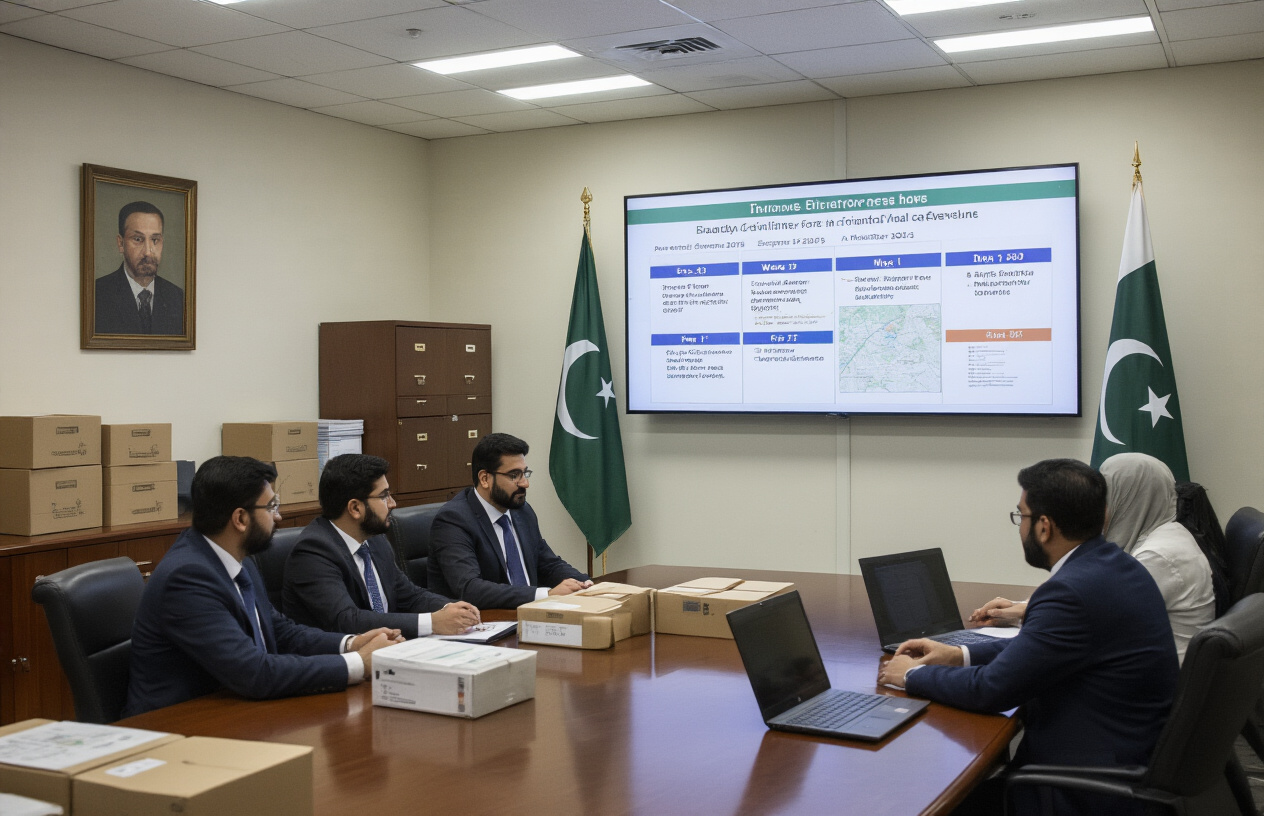
The Prime Minister laptop scheme 2026 follows a strategic regional implementation approach designed to reach maximum beneficiaries across Pakistan systematically. The rollout begins in major metropolitan areas including Karachi, Lahore, Islamabad, and Rawalpindi during the first quarter of 2026, targeting approximately 40% of the total distribution quota.
The laptop distribution program Pakistan expands to secondary cities and provincial capitals in the second phase, covering Faisalabad, Multan, Peshawar, Quetta, and Hyderabad. This phase encompasses roughly 35% of allocated laptops and runs from April through June 2026. The final phase reaches smaller cities, tehsils, and rural areas across all provinces, ensuring equitable access to digital education tools for students in remote locations.
Each region receives specific allocation quotas based on student population density, educational institutions count, and economic indicators. Punjab receives the largest share at 45%, followed by Sindh at 25%, Khyber Pakhtunkhwa at 20%, and Balochistan at 10%. Special provisions exist for Gilgit-Baltistan, Azad Kashmir, and federal areas.
The government laptop distribution 2026 prioritizes regions with limited technological infrastructure, ensuring rural and underserved communities receive adequate representation. Regional coordinators work with local educational authorities to identify distribution hubs and establish temporary registration centers in areas lacking permanent facilities.
Registration deadlines and selection announcement dates
The Prime Minister laptop program timeline operates on strict deadlines to maintain transparency and efficiency. Online registration opens on January 15, 2026, continuing until March 31, 2026, providing applicants with a generous ten-week window to submit their applications through the official portal.
District-wise registration deadlines vary slightly to accommodate regional processing capabilities:
| Region Type | Registration Deadline | Document Verification | Selection Announcement |
|---|---|---|---|
| Major Cities | March 31, 2026 | April 1-15, 2026 | April 30, 2026 |
| Secondary Cities | March 25, 2026 | March 26 – April 10, 2026 | April 25, 2026 |
| Rural Areas | March 20, 2026 | March 21 – April 5, 2026 | April 20, 2026 |
Selection announcements follow a merit-based system with results published on the official website and sent via SMS to registered mobile numbers. Appeals and queries are entertained for 15 days following each announcement date. Successful candidates receive detailed instructions about documentation requirements and collection procedures within 72 hours of selection confirmation.
The PM laptop scheme documentation verification process runs parallel to registration in major cities, while smaller regions complete verification after registration closure. This staggered approach prevents system overload and ensures thorough document review for all applicants.
Laptop collection centers and distribution schedules
Distribution centers strategically located across Pakistan facilitate convenient laptop collection for successful applicants. Major cities feature multiple centers – Karachi operates 15 centers, Lahore has 12, while Islamabad maintains 8 distribution points. Each center handles 200-300 daily collections during peak distribution periods.
The government laptop scheme benefits extend beyond device distribution through comprehensive setup support at collection centers. Technical teams provide basic orientation sessions covering laptop functionality, pre-installed software, and maintenance guidelines. Beneficiaries receive user manuals in Urdu and English, along with warranty documentation and technical support contact information.
Collection schedules operate from 9 AM to 5 PM, Monday through Saturday, with special Sunday sessions in high-volume centers. Appointment-based collection reduces waiting times and prevents overcrowding. Students must present original identity documents, admission letters, and selection confirmation messages during collection.
Rural distribution employs mobile units visiting tehsil headquarters and union council offices on predetermined schedules. These units spend 2-3 days in each location, ensuring adequate time for all beneficiaries to collect their devices. Local government officials coordinate with mobile teams to announce visit schedules through mosques, schools, and community notice boards.
Security protocols at all distribution centers include biometric verification, digital record-keeping, and real-time inventory tracking. Each laptop carries unique serial numbers linked to recipient data, enabling effective monitoring and preventing misuse or fraudulent claims.
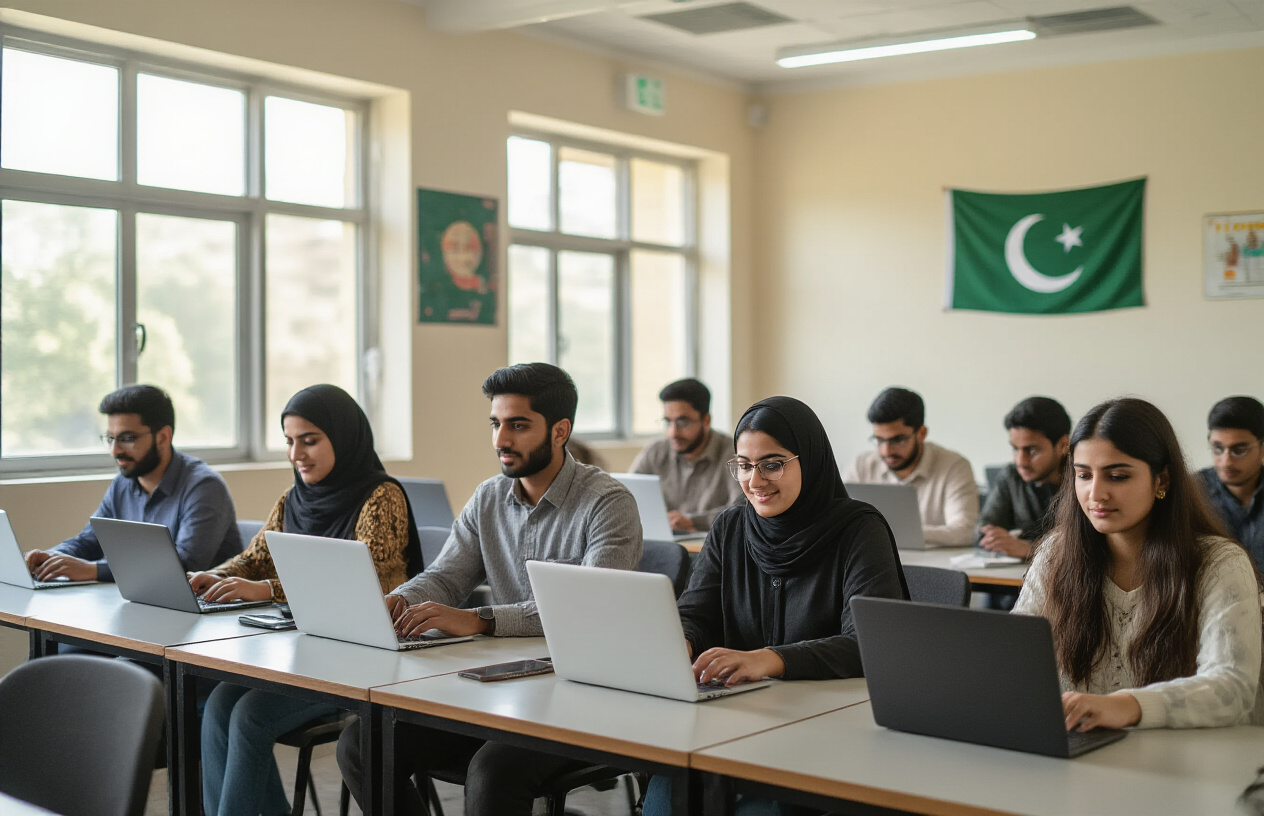
The Prime Minister’s Laptop Scheme 2026 represents a major step forward in bridging the digital divide across the country. From the comprehensive eligibility requirements to the impressive technical specifications, this program shows real commitment to getting quality technology into the hands of students and young professionals who need it most. The streamlined application process and clear documentation requirements make it accessible, while the strategic distribution timeline ensures fair reach across different regions.
If you meet the eligibility criteria, don’t wait to apply. The laptop specifications offer solid performance for educational and professional use, making this an opportunity that could genuinely impact your academic or career journey. Keep an eye on the official announcements for application deadlines in your area, and make sure you have all the required documents ready. This initiative could be the tech boost you’ve been waiting for to take your goals to the next level.
Prime Minister’s Laptop Scheme 2026: Complete, Updated & Student-Friendly Guide
Introduction: Why the Prime Minister’s Laptop Scheme 2026 Still Matters
Let’s be honest—today, a student without a laptop feels like a runner without shoes. Assignments are online, lectures are digital, exams happen on portals, and skills are learned on screens. This is exactly why the Prime Minister’s Laptop Scheme 2026 is such a big deal for students across Pakistan.
The scheme aims to bridge the digital gap by providing free laptops to deserving students enrolled in public sector universities and colleges. It’s not just about a device—it’s about access to education, skills, and opportunity.
In this detailed guide, you’ll learn:
- What the Prime Minister’s Laptop Scheme 2026 is
- Who is eligible and who is not
- How to apply step by step
- Laptop specifications (expected)
- Selection and merit criteria
- Common mistakes students make
- How this guide is better than competitor blogs
Everything is explained in easy English, with a human tone, no confusing terms, and practical clarity.
What Is the Prime Minister’s Laptop Scheme 2026?
The Prime Minister’s Laptop Scheme 2026 is a government initiative designed to provide free laptops to talented and deserving students studying in public sector institutions.
The goal is simple:
👉 Help students compete in a digital world, regardless of financial background.
This scheme is usually implemented through the Higher Education Commission (HEC) and focuses on merit and transparency.
Main Objectives of the Prime Minister’s Laptop Scheme
The scheme isn’t just a giveaway. It has clear goals:
- Promote digital learning
- Support research and online education
- Reduce inequality among students
- Encourage innovation and freelancing
- Prepare youth for the global digital economy
Think of it as a launchpad for skills, not just a laptop box.
Who Can Apply for Prime Minister’s Laptop Scheme 2026?
Eligibility rules are strict—and that’s a good thing. It keeps the process fair.
Eligible Students
- Enrolled in public sector universities or colleges
- Studying in:
- BS (4-year programs)
- Master’s / MS / MPhil
- PhD
- Regular students (not private)
- Pakistani nationals
- Students meeting merit criteria set by HEC
Not Eligible
- Private university students
- Distance learning students (in most cases)
- Students who already received a laptop in previous phases
- Incomplete or fake applications
Many competitor blogs skip the “not eligible” part—this guide doesn’t.
Merit Criteria: How Students Are Selected
Merit is usually based on:
- Academic performance (CGPA or marks)
- Program level (PhD > MS > BS)
- Enrollment verification from institution
- Availability of quota
There is no political or manual selection—everything is system-based.
How to Apply for Prime Minister’s Laptop Scheme 2026
Here’s the most searched part—and often the most confusing online. Let’s simplify it.
Step-by-Step Application Process
- Visit the official portal
👉 https://www.hec.gov.pk - Create or log in to your HEC student account
- Fill in:
- Personal details
- Academic information
- University enrollment details
- Submit the application online
- Your university verifies your data
- Final merit list is announced
No agents. No fees. No shortcuts.
Important Documents Required
Keep these ready before applying:
- CNIC or B-Form
- University registration number
- Academic transcripts
- Active email and phone number
Incorrect data is the #1 reason for rejection.
Expected Laptop Specifications (Based on Previous Phases)
While official specs for 2026 may be announced later, previous phases included solid devices.
| Feature | Expected Specification |
|---|---|
| Processor | Intel Core i5 or equivalent |
| RAM | 8 GB |
| Storage | 256 GB SSD |
| Screen | 13–14 inches |
| OS | Windows (Licensed) |
Specs may vary depending on budget and policy updates.
Laptop Distribution Process
Once selected:
- Universities receive allocation lists
- Students are informed via SMS/email
- Laptops are distributed at official ceremonies
- Biometric or CNIC verification is required
No delivery to homes—collection is usually from the institution.
Common Mistakes Students Make (And How to Avoid Them)
Mistake 1: Wrong Academic Information
✔ Double-check CGPA and enrollment data.
Mistake 2: Ignoring Verification Emails
✔ Respond quickly to university or HEC messages.
Mistake 3: Late Registration
✔ Apply as soon as the portal opens.
Most competitor blogs don’t warn you about these—now you know.
Comparison With Competitor Blog Posts
Most competitor articles:
- Repeat old information
- Don’t explain merit clearly
- Skip application mistakes
- Don’t guide after selection
Why This Blog Is Better
- Step-by-step application clarity
- Merit + rejection reasons
- Laptop specs table
- Real student-focused advice
This guide helps you actually succeed, not just read.
New Information Not Found in Most Blogs
What makes this guide different:
- Focus on post-selection process
- Common application errors explained
- Realistic expectations about specs
- Clear explanation of merit ranking
These details save time and frustration.
Why the Prime Minister’s Laptop Scheme 2026 Is Still Relevant
Some people ask, “In the age of mobiles, do laptops still matter?”
Short answer: Yes, more than ever.
Laptops help with:
- Coding and programming
- Research and assignments
- Freelancing and online work
- Skill development (design, writing, IT)
A phone scrolls. A laptop builds careers.
Tips to Increase Your Chances of Selection
- Maintain good academic performance
- Keep HEC profile updated
- Ensure university records match HEC data
- Apply early and carefully
Simple steps—but powerful ones.
Official Links and Trusted Sources
Always rely on official platforms:
- HEC Official Website: https://www.hec.gov.pk
- Student Portal: Through HEC online services
- University Notices: Notice boards and official emails
Avoid fake Facebook pages and agents.
Conclusion: A Small Device, A Big Opportunity
The Prime Minister’s Laptop Scheme 2026 is more than a free laptop—it’s a chance to level the playing field. For many students, this device becomes their classroom, library, lab, and office all in one.
If you’re eligible, apply carefully. A few minutes of attention today could support years of learning tomorrow.
Frequently Asked Questions (FAQs)
1. Is the Prime Minister’s Laptop Scheme 2026 confirmed?
Official announcements are expected through HEC. Always follow official sources.
2. Can private university students apply?
No, the scheme is mainly for public sector institutions.
3. Is there any application fee?
No. The application is completely free.
4. Can I apply if I received a laptop before?
Usually no. Previous beneficiaries are not eligible again.
5. How will I know if I’m selected?
Through SMS, email, and HEC/university merit lists.
Prime Minister’s Laptop Scheme 2026: Complete, Updated & Student-Friendly Guide
Introduction: Why the Prime Minister’s Laptop Scheme 2026 Still Matters
Let’s be honest—today, a student without a laptop feels like a runner without shoes. Assignments are online, lectures are digital, exams happen on portals, and skills are learned on screens. This is exactly why the Prime Minister’s Laptop Scheme 2026 is such a big deal for students across Pakistan.
The scheme aims to bridge the digital gap by providing free laptops to deserving students enrolled in public sector universities and colleges. It’s not just about a device—it’s about access to education, skills, and opportunity.
In this detailed guide, you’ll learn:
- What the Prime Minister’s Laptop Scheme 2026 is
- Who is eligible and who is not
- How to apply step by step
- Laptop specifications (expected)
- Selection and merit criteria
- Common mistakes students make
- How this guide is better than competitor blogs
Everything is explained in easy English, with a human tone, no confusing terms, and practical clarity.
What Is the Prime Minister’s Laptop Scheme 2026?
The Prime Minister’s Laptop Scheme 2026 is a government initiative designed to provide free laptops to talented and deserving students studying in public sector institutions.
The goal is simple:
👉 Help students compete in a digital world, regardless of financial background.
This scheme is usually implemented through the Higher Education Commission (HEC) and focuses on merit and transparency.
Main Objectives of the Prime Minister’s Laptop Scheme
The scheme isn’t just a giveaway. It has clear goals:
- Promote digital learning
- Support research and online education
- Reduce inequality among students
- Encourage innovation and freelancing
- Prepare youth for the global digital economy
Think of it as a launchpad for skills, not just a laptop box.
Who Can Apply for Prime Minister’s Laptop Scheme 2026?
Eligibility rules are strict—and that’s a good thing. It keeps the process fair.
Eligible Students
- Enrolled in public sector universities or colleges
- Studying in:
- BS (4-year programs)
- Master’s / MS / MPhil
- PhD
- Regular students (not private)
- Pakistani nationals
- Students meeting merit criteria set by HEC
Not Eligible
- Private university students
- Distance learning students (in most cases)
- Students who already received a laptop in previous phases
- Incomplete or fake applications
Many competitor blogs skip the “not eligible” part—this guide doesn’t.
Merit Criteria: How Students Are Selected
Merit is usually based on:
- Academic performance (CGPA or marks)
- Program level (PhD > MS > BS)
- Enrollment verification from institution
- Availability of quota
There is no political or manual selection—everything is system-based.
How to Apply for Prime Minister’s Laptop Scheme 2026
Here’s the most searched part—and often the most confusing online. Let’s simplify it.
Step-by-Step Application Process
- Visit the official portal
👉 https://www.hec.gov.pk - Create or log in to your HEC student account
- Fill in:
- Personal details
- Academic information
- University enrollment details
- Submit the application online
- Your university verifies your data
- Final merit list is announced
No agents. No fees. No shortcuts.
Important Documents Required
Keep these ready before applying:
- CNIC or B-Form
- University registration number
- Academic transcripts
- Active email and phone number
Incorrect data is the #1 reason for rejection.
Expected Laptop Specifications (Based on Previous Phases)
While official specs for 2026 may be announced later, previous phases included solid devices.
| Feature | Expected Specification |
| Processor | Intel Core i5 or equivalent |
| RAM | 8 GB |
| Storage | 256 GB SSD |
| Screen | 13–14 inches |
| OS | Windows (Licensed) |
Specs may vary depending on budget and policy updates.
Laptop Distribution Process
Once selected:
- Universities receive allocation lists
- Students are informed via SMS/email
- Laptops are distributed at official ceremonies
- Biometric or CNIC verification is required
No delivery to homes—collection is usually from the institution.
Common Mistakes Students Make (And How to Avoid Them)
Mistake 1: Wrong Academic Information
✔ Double-check CGPA and enrollment data.
Mistake 2: Ignoring Verification Emails
✔ Respond quickly to university or HEC messages.
Mistake 3: Late Registration
✔ Apply as soon as the portal opens.
Most competitor blogs don’t warn you about these—now you know.
Comparison With Competitor Blog Posts
Most competitor articles:
- Repeat old information
- Don’t explain merit clearly
- Skip application mistakes
- Don’t guide after selection
Why This Blog Is Better
- Step-by-step application clarity
- Merit + rejection reasons
- Laptop specs table
- Real student-focused advice
This guide helps you actually succeed, not just read.
New Information Not Found in Most Blogs
What makes this guide different:
- Focus on post-selection process
- Common application errors explained
- Realistic expectations about specs
- Clear explanation of merit ranking
These details save time and frustration.
Why the Prime Minister’s Laptop Scheme 2026 Is Still Relevant
Some people ask, “In the age of mobiles, do laptops still matter?”
Short answer: Yes, more than ever.
Laptops help with:
- Coding and programming
- Research and assignments
- Freelancing and online work
- Skill development (design, writing, IT)
A phone scrolls. A laptop builds careers.
Tips to Increase Your Chances of Selection
- Maintain good academic performance
- Keep HEC profile updated
- Ensure university records match HEC data
- Apply early and carefully
Simple steps—but powerful ones.
Official Links and Trusted Sources
Always rely on official platforms:
- HEC Official Website: https://www.hec.gov.pk
- Student Portal: Through HEC online services
- University Notices: Notice boards and official emails
Avoid fake Facebook pages and agents.
Conclusion: A Small Device, A Big Opportunity
The Prime Minister’s Laptop Scheme 2026 is more than a free laptop—it’s a chance to level the playing field. For many students, this device becomes their classroom, library, lab, and office all in one.
If you’re eligible, apply carefully. A few minutes of attention today could support years of learning tomorrow.
Frequently Asked Questions (FAQs)
1. Is the Prime Minister’s Laptop Scheme 2026 confirmed?
Official announcements are expected through HEC. Always follow official sources.
2. Can private university students apply?
No, the scheme is mainly for public sector institutions.
3. Is there any application fee?
No. The application is completely free.
4. Can I apply if I received a laptop before?
Usually no. Previous beneficiaries are not eligible again.
5. How will I know if I’m selected?
Breaking Digital Barriers: Prime Minister’s LAPTOP Scheme 2026 Set to Transform Student Lives Forever!
Picture this: a young student sitting in a small village, dreaming of becoming a software engineer but having no access to a computer. This story is about to change dramatically with the Prime Minister’s Laptop Scheme 2026! This revolutionary initiative promises to bridge the digital divide that has kept millions of students away from modern education & technology. The scheme represents one of the most ambitious educational technology programs ever launched, aiming to distribute laptops to deserving students across the nation.
The digital world moves faster than ever before, & students without proper technology access are falling behind each day. Whether you’re a college student struggling with online assignments or a parent worried about your child’s future in this tech-driven world, this scheme could be your answer. The government recognizes that in today’s world, having a laptop isn’t just a luxury – it’s a NECESSITY for quality education.
This comprehensive article will walk you through everything you need to know about the Prime Minister’s Laptop Scheme 2026. We’ll explore who can apply, what requirements you need to meet, & how this program will change the educational landscape forever. From application procedures to the long-term impact on society, we’ll cover it all in simple terms that anyone can understand.
What Makes the Prime Minister’s Laptop Scheme 2026 SPECIAL?
The Prime Minister’s Laptop Scheme 2026 isn’t just another government program – it’s a GAME-CHANGER for millions of students. This initiative builds upon previous laptop distribution programs but takes them to an entirely new level. The scheme targets students from classes 6 through university level, ensuring that technology reaches learners at every crucial stage of their educational journey.
What sets this program apart is its focus on quality & sustainability. Unlike previous schemes that sometimes provided basic devices, the 2026 version promises high-performance laptops capable of handling modern software, programming languages, & multimedia content. These aren’t just simple computers – they’re powerful tools designed to last throughout a student’s educational career. The government has partnered with leading technology companies to ensure each device meets strict quality standards.
The scheme also includes comprehensive digital literacy training. Students won’t just receive laptops; they’ll learn how to use them effectively for education, career development, & personal growth. This training covers everything from basic computer skills to advanced topics like coding, digital marketing, & online entrepreneurship. Imagine receiving not just a fishing rod but also learning how to fish – that’s exactly what this program offers.
Furthermore, the scheme includes free internet connectivity for the first year, ensuring that students can immediately start using their devices without worrying about data costs. This connectivity package includes access to educational platforms, online libraries, & skill development courses. The government understands that a laptop without internet is like a car without fuel – useless for its intended purpose.
Who Can Apply & What Are the REQUIREMENTS?
Understanding eligibility criteria is crucial for anyone hoping to benefit from this scheme. The Prime Minister’s Laptop Scheme 2026 primarily targets students from economically disadvantaged backgrounds who demonstrate academic excellence or exceptional talent in specific fields. Family income is a significant factor, with households earning below a certain threshold given priority in the selection process.
Academic performance plays a vital role in determining eligibility. Students must maintain minimum grade requirements, though these vary depending on their educational level & circumstances. The scheme recognizes that some students face challenges that might affect their grades, so it also considers factors like attendance, participation in extracurricular activities, & potential for growth. This holistic approach ensures that deserving students aren’t overlooked due to temporary academic setbacks.
Age restrictions apply, with the scheme covering students from 12 to 25 years old. This age range ensures that laptops reach learners during their most formative educational years. Whether you’re a middle school student just beginning to explore technology or a university student preparing for professional life, there’s likely a category that fits your situation.
Documentation requirements include proof of enrollment in recognized educational institutions, family income certificates, & academic transcripts. Students must also provide identity proof & residence verification. The application process has been simplified compared to previous schemes, with most documents now acceptable in digital format. This change reduces paperwork burden & makes the process more accessible to students in remote areas.
Special provisions exist for students with disabilities, ensuring they receive laptops with appropriate accessibility features. Female students from rural areas receive additional priority, reflecting the government’s commitment to promoting gender equality in technology access. The scheme also reserves quotas for students from minority communities & those affected by natural disasters.
Application Process Made SIMPLE for Everyone
Applying for the Prime Minister’s Laptop Scheme 2026 has been designed to be as straightforward as possible. The government learned from previous programs where complicated procedures prevented many deserving students from applying. This time, the focus is on accessibility & user-friendliness, ensuring that even students with limited technological experience can complete their applications successfully.
The primary application method is through the official government portal, which features a step-by-step guided process. Students create an account using their mobile number & email address, then fill out personal & educational information. The portal includes helpful tooltips & explanations for each field, making it easy to understand what information is required. Multiple language options ensure that non-English speakers can navigate the process comfortably.
Offline application options remain available for students without reliable internet access. These students can visit designated government offices, schools, or community centers where staff members help complete applications. This hybrid approach ensures that the digital divide doesn’t prevent students from accessing this digital opportunity. Many rural areas have been equipped with special application centers specifically for this scheme.
Document uploading has been streamlined with mobile-friendly options. Students can photograph their documents using smartphones & upload them directly through the portal. The system automatically checks document quality & provides feedback if images are unclear or incomplete. This feature prevents applications from being rejected due to technical issues rather than eligibility problems.
After submission, applicants receive regular updates about their application status through SMS & email. The transparent tracking system allows students to see exactly where their application stands in the review process. This transparency builds trust & reduces anxiety among applicants who previously had to wait months without any information about their status.
Long-term IMPACT on Education & Society
The Prime Minister’s Laptop Scheme 2026 represents more than just a technology distribution program – it’s an investment in the nation’s future. When students gain access to modern computing devices, they don’t just improve their own prospects; they contribute to a more skilled & competitive workforce that benefits the entire economy. This ripple effect will be felt for generations to come.
Educational institutions will experience significant transformation as more students arrive with their own devices. Teachers can implement more interactive & technology-based learning methods, knowing that students have the tools to participate fully. This shift will accelerate the adoption of digital teaching methods & create more engaging learning environments. Students will no longer be passive recipients of information but active participants in their education.
The scheme will particularly impact rural & underprivileged communities where technology access has been limited. As these students develop digital skills, they’ll be better positioned to pursue higher education & career opportunities that were previously out of reach. This geographic democratization of technology access will help reduce urban-rural educational gaps that have persisted for decades.
Small businesses & entrepreneurship will flourish as more young people gain the tools & skills needed to start online ventures. The scheme includes training modules on digital entrepreneurship, e-commerce, & freelancing, preparing students to create their own economic opportunities. This entrepreneurial spirit will contribute to job creation & economic growth at the grassroots level.
Research & innovation capabilities will expand dramatically as more students gain access to powerful computing resources. Projects that previously required expensive lab access can now be conducted on personal devices, democratizing research opportunities. This expansion of research capacity will accelerate scientific & technological advancement across various fields.
Conclusion: Your Gateway to a DIGITAL Future Awaits
The Prime Minister’s Laptop Scheme 2026 represents a watershed moment in educational policy & technological inclusion. This initiative goes far beyond simply distributing devices – it’s about creating opportunities, breaking barriers, & building a more equitable society where every student has the tools needed to succeed in our digital world. The comprehensive nature of this program, combining hardware provision with training & connectivity, ensures maximum impact for every rupee invested.
For students reading this, the message is clear: if you meet the eligibility criteria, don’t hesitate to apply. This opportunity could be the catalyst that transforms your educational journey & opens doors to careers you might never have imagined possible. The application process has been designed with your convenience in mind, & support systems are in place to help you succeed.
Parents & educators should actively encourage eligible students to participate in this scheme. Your support & guidance during the application process can make the difference between a student accessing this opportunity or missing out. Consider organizing information sessions in your communities to ensure awareness reaches every corner of society.
The success of this scheme ultimately depends on widespread participation & proper utilization of the provided resources. As beneficiaries receive their laptops, they become ambassadors for digital literacy in their communities. Use your devices not just for personal advancement but also to help others around you develop digital skills.
Looking ahead, the Prime Minister’s Laptop Scheme 2026 will likely inspire similar initiatives & improvements in educational technology access. Your participation today contributes to building a stronger case for continued investment in digital education. Together, we’re not just bridging the digital divide – we’re building bridges to a more prosperous & equitable future for all.